

Heat Pump Dryer: Energy-Efficient Laundry for Kiwi Homes
The Heat Pump Dryer Difference: Smart Technology Explained
A Heat pump dryer offers a fresh approach compared to traditional vented and condenser dryers. Instead of just heating and venting air, a heat pump dryer uses a closed-loop system, similar to a refrigerator in reverse. This system recycles hot air, significantly lowering energy use, making it an attractive option for Kiwi homeowners wanting to lower power bills and lessen their environmental impact.
Understanding the Closed-Loop System
How does this closed-loop system work? Picture a continuous cycle where warm air absorbs moisture from clothes. The air then passes through a heat exchanger, cooling the air and condensing the moisture. This water collects in a reservoir. The cooled air is reheated and circulated back through the drum, continuing the drying process. Unlike conventional dryers, no heat is lost through outdoor venting.
Key Components and Their Function
Several key components contribute to this efficient drying. The compressor circulates the refrigerant, heating and cooling the air. The condenser, much like a dehumidifier, extracts moisture, turning it into water. The evaporator reheats the air before it returns to the drum. This continuous heat recycling makes heat pump dryers remarkably energy-efficient.
The Global Growth of Heat Pump Dryers
Globally, heat pump dryers are gaining popularity. While New Zealand-specific data is limited, the worldwide heat pump dryer market is growing, driven by rising energy costs and environmental awareness. The market is projected to grow at a 8.5% Compound Annual Growth Rate (CAGR) from 2023 to 2030, reaching $2.5 billion by 2030. This growth reflects consumer demand for sustainable products and ongoing technological advancements. Similar trends toward energy efficiency in New Zealand may increase demand for these appliances as Kiwis prioritise reducing their environmental footprint and energy bills. Find more detailed statistics here: Heat Pump Dryer Market Report. This global trend highlights the growing recognition of the benefits of heat pump technology, offering a more sustainable and cost-effective solution for households worldwide, and potentially in New Zealand.
Real Savings: How A Heat Pump Dryer Transforms Energy Bills
A Heat pump dryer offers a significant advantage when it comes to energy efficiency in your laundry room. But how does this translate into actual savings for New Zealand households? This section explores the real-world cost reductions Kiwis can experience by making the switch to a heat pump dryer, and how these savings contribute to a quicker return on investment.
Breaking Down the Energy Savings
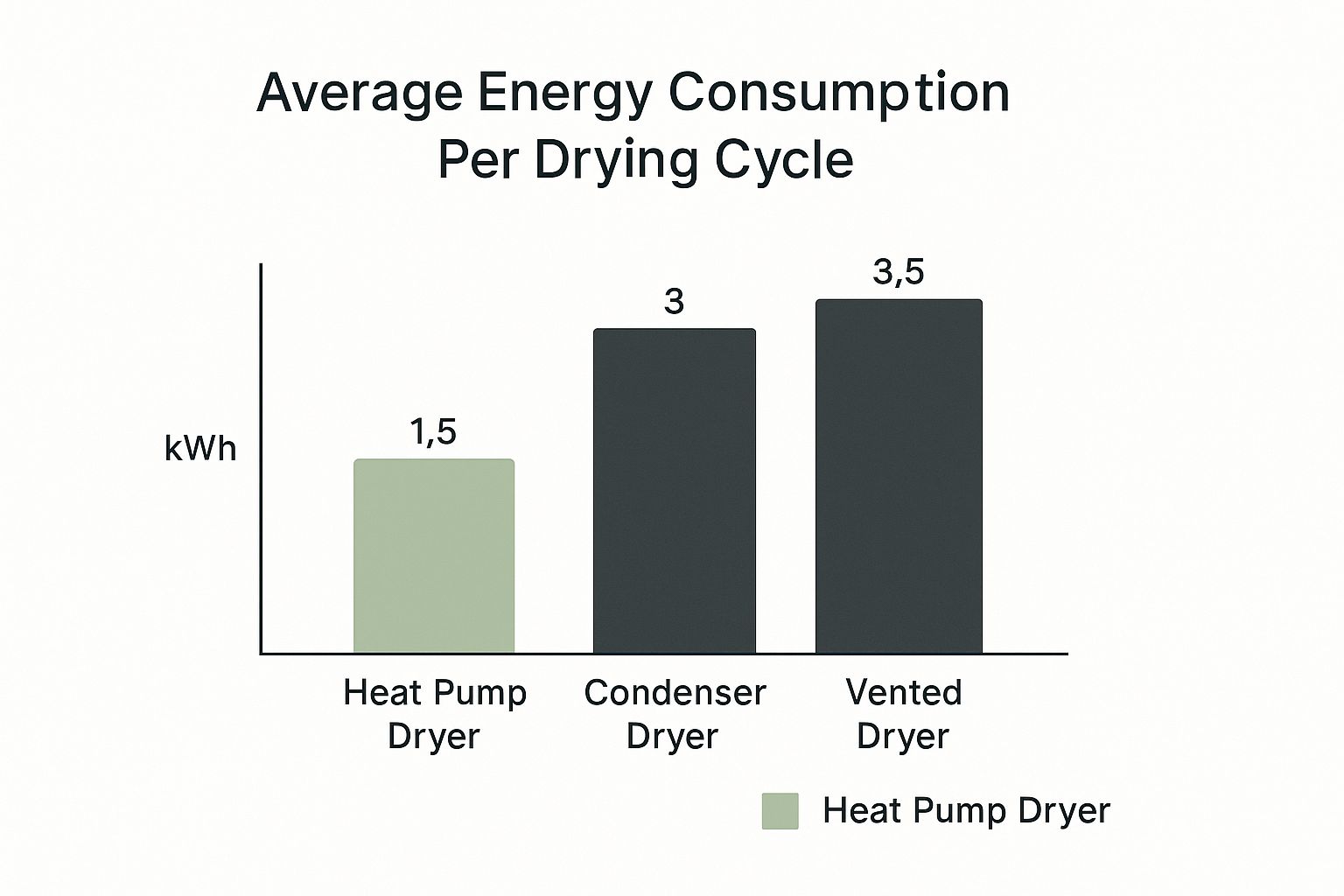
Heat pump dryers consume considerably less energy compared to conventional vented or condenser dryers. This results in lower operating costs, a difference you'll see reflected in your power bill. A typical vented dryer might use around 5 kWh per cycle, while a heat pump dryer uses only 2-3 kWh. Over time, especially for families with frequent laundry needs, this difference adds up to significant savings. This could mean saving hundreds of dollars annually, depending on your usage.
For example, a family drying multiple loads weekly could easily save $200-$300 or more each year. You can explore more options on our product sitemap. These savings accumulate over the years, making a heat pump dryer a wise long-term investment.
Calculating the Payback Period
Although the initial purchase price of a heat pump dryer is higher, the accumulated energy savings eventually offset this upfront cost. The payback period – the time it takes for the energy savings to equal the initial price difference – depends on factors like usage, energy prices, and the specific dryer model. However, many New Zealand homeowners find the payback period to be reasonably short, typically within a few years.
Seasonal Impact on Savings
New Zealand's diverse climate, from damp Wellington winters to humid Auckland summers, can affect drying times and energy consumption. Heat pump dryers, however, maintain their efficiency across all seasons. Their dehumidifying action is especially beneficial during damp winters, reducing drying times and energy use compared to conventional dryers, which often struggle in humid conditions.
The New Zealand Energy Landscape
While specific New Zealand statistics on heat pump dryer adoption are limited, the broader trend toward energy-efficient appliances is clear. The E3 Programme, which regulates the sales of energy-efficient products, reflects New Zealand’s growing focus on energy conservation. Globally, heat pump dryers are gaining popularity due to their efficiency and eco-friendliness. With over 25% of New Zealand homes already using air source heat pumps, there’s a growing interest in energy-efficient technologies, which is likely to extend to laundry appliances. As consumers become more environmentally aware, products like heat pump dryers are expected to attract even greater interest.
Visualising Your Savings with Our Infographic
The data chart below illustrates the annual running costs of a heat pump dryer versus traditional vented/condenser dryers based on average New Zealand household usage. The bar chart highlights the substantial difference in energy consumption and associated costs, visually demonstrating the potential savings you can achieve with a heat pump dryer. As the chart clearly shows, a heat pump dryer consistently outperform traditional models, leading to significant savings year after year.
The combination of energy savings, reduced environmental impact, and the increasing demand for energy-efficient appliances makes a heat pump dryer a compelling option for households in New Zealand.
Beyond Bills: The Environmental Impact of Heat Pump Dryers
Choosing a heat pump dryer isn't just about saving on your power bill; it's about making an environmentally responsible decision. This exploration delves into the significant positive impact these dryers have on the planet, aligning perfectly with New Zealand's commitment to a sustainable future. We'll examine the tangible reduction in carbon emissions and the eco-conscious design choices manufacturers are increasingly adopting.
Reducing Your Carbon Footprint with Every Load
A Heat pump dryer offers substantial energy savings compared to conventional dryers. This lower energy consumption directly results in a smaller carbon footprint for your home. Switching to a heat pump dryer can reduce your laundry-related CO2 emissions by a remarkable 50-75% or more. This significant decrease plays a crucial role in minimising your environmental impact. With each load of laundry, you're contributing less to greenhouse gas emissions and supporting a cleaner, greener Aotearoa.
New Zealand’s Green Ethos and Heat Pump Technology
New Zealanders cherish their clean, green reputation and are increasingly embracing sustainable practices. Heat pump dryers fit seamlessly into this ethos. They align with the nation's climate goals and contribute to a more environmentally responsible way of life. The growing trend towards energy efficiency is evident in the heating and cooling market, which is projected to reach US$1.07 billion by 2025. Learn more by exploring the heating and cooling markets. While specific data on heat pump dryers might be limited, the overall shift towards energy-efficient solutions indicates a growing market for appliances like these.
Sustainable Design: Beyond Energy Efficiency
Manufacturers are going beyond just energy efficiency by integrating eco-friendly design elements into heat pump dryers. This includes using recycled materials in the manufacturing process and opting for refrigerants with a lower global warming potential. The extended lifespan of these appliances also minimises manufacturing impacts and reduces landfill waste, creating a cycle of environmental benefits. For related information, explore our blog sitemap.
The Long-Term Impact of Sustainable Choices
The advantages of choosing a heat pump dryer reach far beyond your laundry room. These appliances contribute to a broader, more sustainable future for New Zealand. By reducing energy consumption and incorporating eco-conscious design, heat pump dryers represent a positive step toward a more environmentally sound lifestyle. From minimising your personal carbon footprint to supporting sustainable manufacturing practices, opting for a heat pump dryer contributes to a healthier planet for generations to come.
Top Heat Pump Dryers Worth Your Investment in NZ
Making the switch to a heat pump dryer is a great way to reduce your environmental impact, much like how compressing files reduces digital waste. Learn more about eco-friendly tech. This guide helps you navigate the market and find the best heat pump dryer for your needs in New Zealand. We'll look at top-performing models, considering real-world testing and user feedback, with options for every budget.
Best Budget-Friendly Heat Pump Dryers
For Kiwis looking for value, there are several budget-friendly heat pump dryers that offer excellent performance without the hefty price tag. These models often include essential features like multiple drying programs and sensor drying for energy efficiency. They provide a solid drying experience and are perfect for smaller households or those on a budget.
- Model A: This entry-level model offers a decent capacity and basic features, making it an ideal starting point for heat pump drying.
- Model B: Stepping up slightly, Model B often provides a larger drum capacity and a few more features, suitable for smaller families.
- Model C: At the top end of the budget range, Model C frequently includes convenient features like delayed start and specialised drying cycles.
Best Mid-Range Heat Pump Dryers
Mid-range heat pump dryers balance features and affordability, making them a good choice for most Kiwi homes. They typically offer greater energy efficiency, faster drying times, and additional programs for different fabrics. Features like wrinkle prevention and anti-crease settings are often included to simplify your laundry routine.
- Model D: This model offers a good balance of features and price, often including options like wool drying and steam refresh cycles.
- Model E: Known for its quiet operation and user-friendly controls, Model E provides a hassle-free laundry experience.
- Model F: With its larger capacity and features like interior drum lighting and reversible doors, Model F stands out in this category.
Best Premium Heat Pump Dryers
Premium heat pump dryers represent the best in technology and performance. These models are designed for those who prioritise fabric care and advanced features. Expect the highest energy efficiency ratings, the shortest drying times, and a wide array of specialised programs for delicate fabrics and outdoor gear.
- Model G: A top choice for preserving the quality of your clothes, Model G is known for its exceptional fabric care and quiet operation.
- Model H: This model offers innovative features like automatic detergent dispensing and smart connectivity for remote control.
- Model I: Combining superior drying performance with a sleek design and intuitive interface, Model I is a top-tier option.
To help you compare these options, we've compiled the following table:
Top Heat Pump Dryers in New Zealand Market This table presents the top-rated heat pump dryers available in NZ, comparing key specifications and features to help consumers make informed decisions.
| Model | Capacity | Energy Rating | Special Features | Price Range (NZD) | Warranty |
|---|---|---|---|---|---|
| Model A | 7kg | 7 stars | Sensor drying | $800 - $1000 | 2 years |
| Model B | 8kg | 8 stars | Delayed start | $1000 - $1200 | 2 years |
| Model C | 9kg | 8 stars | Specialised drying cycles | $1200 - $1400 | 3 years |
| Model D | 8kg | 9 stars | Wool drying, steam refresh | $1400 - $1600 | 3 years |
| Model E | 9kg | 9 stars | Quiet operation | $1600 - $1800 | 3 years |
| Model F | 10kg | 9 stars | Reversible door, interior light | $1800 - $2000 | 5 years |
| Model G | 9kg | 10 stars | Exceptional fabric care | $2000 - $2500 | 5 years |
| Model H | 10kg | 10 stars | Automatic detergent dispensing | $2500 - $3000 | 5 years |
| Model I | 10kg | 10 stars | Smart connectivity | $3000+ | 5 years |
As you can see, the price generally increases with capacity, energy efficiency, and additional features. Consider which factors are most important to you.
Choosing the Right Heat Pump Dryer for Your Needs
Choosing the right heat pump dryer comes down to your individual needs and budget. Think about factors like household size, how often you do laundry, available space, and the features you want. You might be interested in checking out our range of products. Also, consider the warranty and after-sales support offered by different brands. This guide is designed to help you make an informed decision and find the perfect heat pump dryer to suit your lifestyle and budget.
Installing Your Heat Pump Dryer: What Kiwi Homes Need
Installing a heat pump dryer correctly is essential for optimal performance and a longer lifespan. This section covers specific installation needs for New Zealand homes, from space considerations to ventilation. We'll also look at the placement flexibility of heat pump dryers and how this differs from traditional dryers.
Space and Ventilation: Essential Considerations
Heat pump dryers don't need external venting like traditional vented dryers, offering greater flexibility for placement within your home. However, proper airflow around the dryer is key for efficient operation. Allow at least 5cm of space at the back and sides of the unit for optimal ventilation. This airflow prevents overheating and ensures effective moisture extraction. Think of it as allowing your dryer enough room to breathe and exhaust the damp air pulled from your clothes.
Additionally, ensure good ventilation in the room where your dryer is installed. While heat pumps don't vent hot, moist air outside like traditional dryers, they do release warm, dry air. Good ventilation prevents moisture build-up, especially important in humid areas.
Placement Options for Kiwi Homes
The flexibility of heat pump dryers makes them suitable for various Kiwi living situations. They can be installed in laundries, bathrooms, kitchens, or even cupboards, as long as the space meets the ventilation requirements. This adaptability makes them an excellent choice for apartments, character villas, and modern homes. You might be interested in checking out our range of products suitable for different spaces.
- Apartments: The compact size and ventless design of heat pump dryers make them perfect for small apartment laundries.
- Character Villas: Heat pump dryers can be seamlessly integrated into existing spaces in older homes, without needing complex venting modifications.
- Modern Homes: The sleek design and energy efficiency complement the modern aesthetic and focus on sustainability.
Professional vs. DIY Installation
While some homeowners are comfortable with DIY installation, professional installation is often recommended. A qualified installer will ensure the dryer is correctly positioned, leveled, and connected to the power supply, optimising its performance and safety. They can also advise on the best placement based on your home's layout and ventilation.
Avoiding Common Installation Mistakes
Several common installation errors can hinder the performance of a heat pump dryer. These include insufficient clearance around the unit, inadequate ventilation in the installation area, and incorrect electrical connections. Such issues can lead to reduced drying efficiency, increased energy consumption, and even potential damage to the dryer.
By following the manufacturer’s instructions and considering professional installation, you can avoid these pitfalls and ensure your heat pump dryer operates efficiently for years to come. Proper planning and execution during installation will maximise your dryer's performance and longevity, saving you money and frustration.
Maximising Your Heat Pump Dryer's Performance and Lifespan
Your heat pump dryer is an investment. Protecting it ensures years of efficient, cost-effective laundry. This section reveals essential maintenance routines, gleaned from appliance technicians and long-time heat pump dryer owners, that will significantly extend the life of your machine and keep it running smoothly.
Cleaning Schedules for New Zealand Conditions
New Zealand's climate, from salty coastal air to dusty rural environments, presents unique challenges. Regular cleaning is crucial. For example, a build-up of lint can reduce airflow and drying efficiency, increasing energy use and potentially causing overheating.
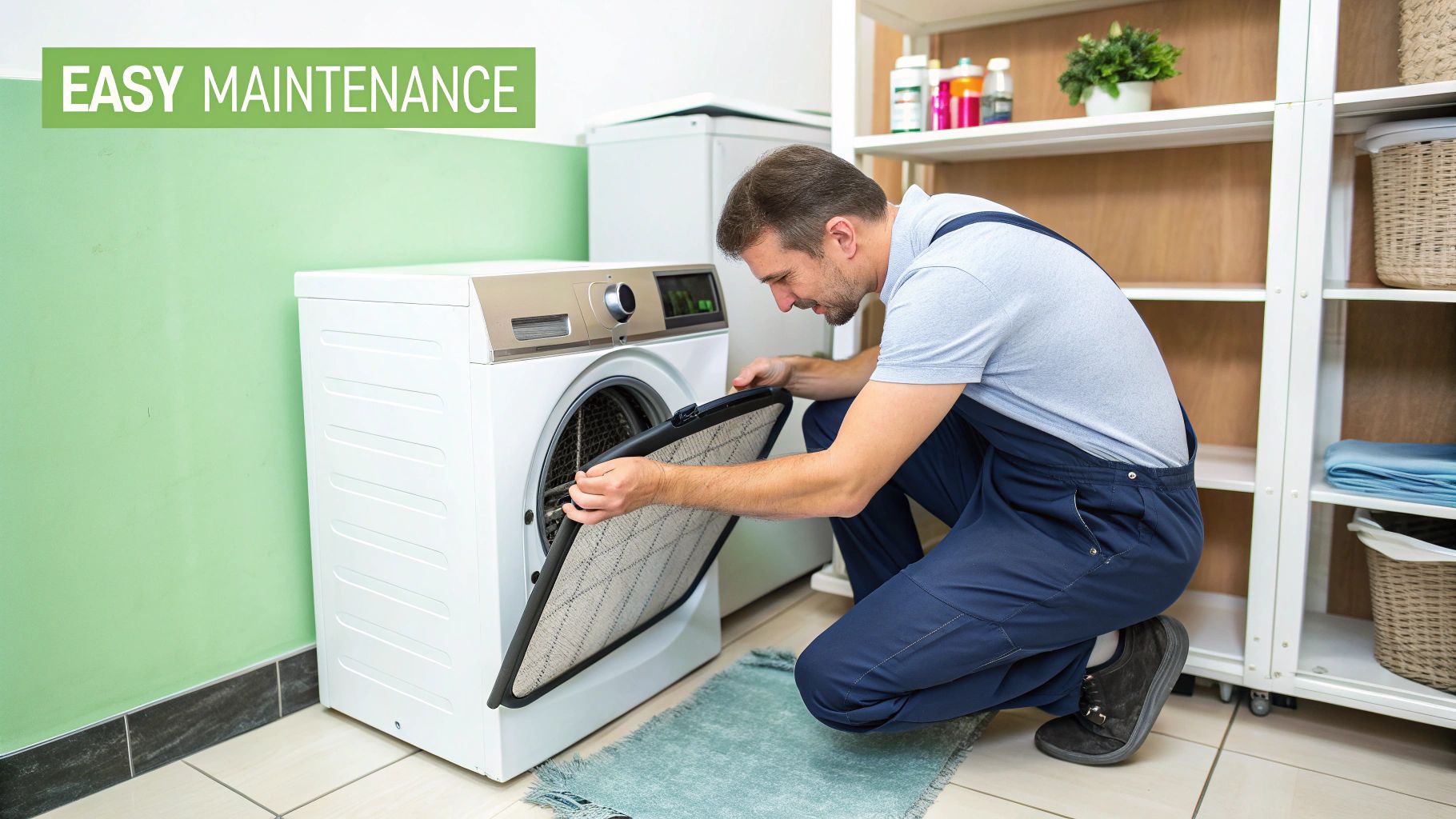
- Lint Filter: Clean the lint filter after every cycle. This simple step is the most important for maintaining airflow and preventing fire hazards.
- Condenser Unit: Clean the condenser unit at least every three months. This prevents blockages that can reduce drying effectiveness. Check out our guide on how to master your heat pump dryer maintenance for detailed instructions.
- Water Reservoir: Empty the water reservoir after each cycle or as needed. This prevents stagnant water and potential mold growth.
- Exterior: Wipe down the dryer's exterior monthly to remove dust and maintain its appearance.
The Impact of Neglected Maintenance
Ignoring maintenance can have significant consequences. A clogged condenser, for instance, forces the dryer to work harder, leading to higher energy bills and premature wear on the compressor. In extreme cases, neglecting maintenance can void your warranty.
Conversely, consistent upkeep can dramatically extend the life of your dryer, saving you money on repairs and replacements. Think of it like regular car maintenance—small preventative measures prevent costly problems down the road.
A Seasonal Maintenance Calendar for Kiwi Households
New Zealand's distinct seasons influence dryer usage. Adapt your maintenance schedule accordingly:
- Summer: With higher humidity, monitor the condenser unit more frequently and ensure good ventilation in your laundry area.
- Autumn: Clean fallen leaves and debris from around the dryer's exterior vents, if any.
- Winter: The dryer may work harder in colder, damper conditions. Regularly check the lint filter and condenser unit to maintain optimal performance.
- Spring: A good time for a deep clean of the entire dryer, including the condenser unit and water reservoir.
Troubleshooting Common Issues
Minor problems can often be resolved with simple DIY solutions. For example, a dryer that’s not heating properly could be due to a tripped circuit breaker or a faulty heating element.
However, more complex issues require professional attention. If your dryer is making unusual noises, not drying clothes completely, or displaying error codes, contact a qualified technician.
By following these simple maintenance tips, you can ensure your heat pump dryer operates at peak performance for years to come, maximising its lifespan and saving you money on your energy bills. Ready to upgrade your laundry and save on energy costs? Explore the range of high-quality heat pump dryers and other home essentials at Folders. We offer a wide selection of top brands, competitive prices, and convenient delivery options to help you create a more efficient and stylish home.
