

8 Vegetarian dinner recipes nz style You Should Know
Finding delicious and inspiring vegetarian dinner recipes can be a challenge, but when you infuse them with the unique flavours of Aotearoa, your weeknight meals are instantly transformed. This guide is curated specifically for home cooks looking to explore creative, plant-based dishes that celebrate iconic New Zealand ingredients. We move beyond the standard fare to offer a collection of vegetarian dinner recipes NZ style, showcasing how local produce and classic Kiwi tastes can be the star of your dinner table. From the earthy sweetness of kumara to the tangy zest of feijoa, each recipe provides a fresh perspective on vegetarian cooking.
We've gathered a selection of 8-12 distinctive meals designed to be both accessible and impressive. You'll find everything from a hearty Kumara and Lentil Wellington to a surprisingly delightful Pavlova-Stuffed Roasted Pumpkin. The aim is to give you clear, actionable instructions and practical tips to ensure your cooking is a success.
1. Kumara and Lentil Wellington
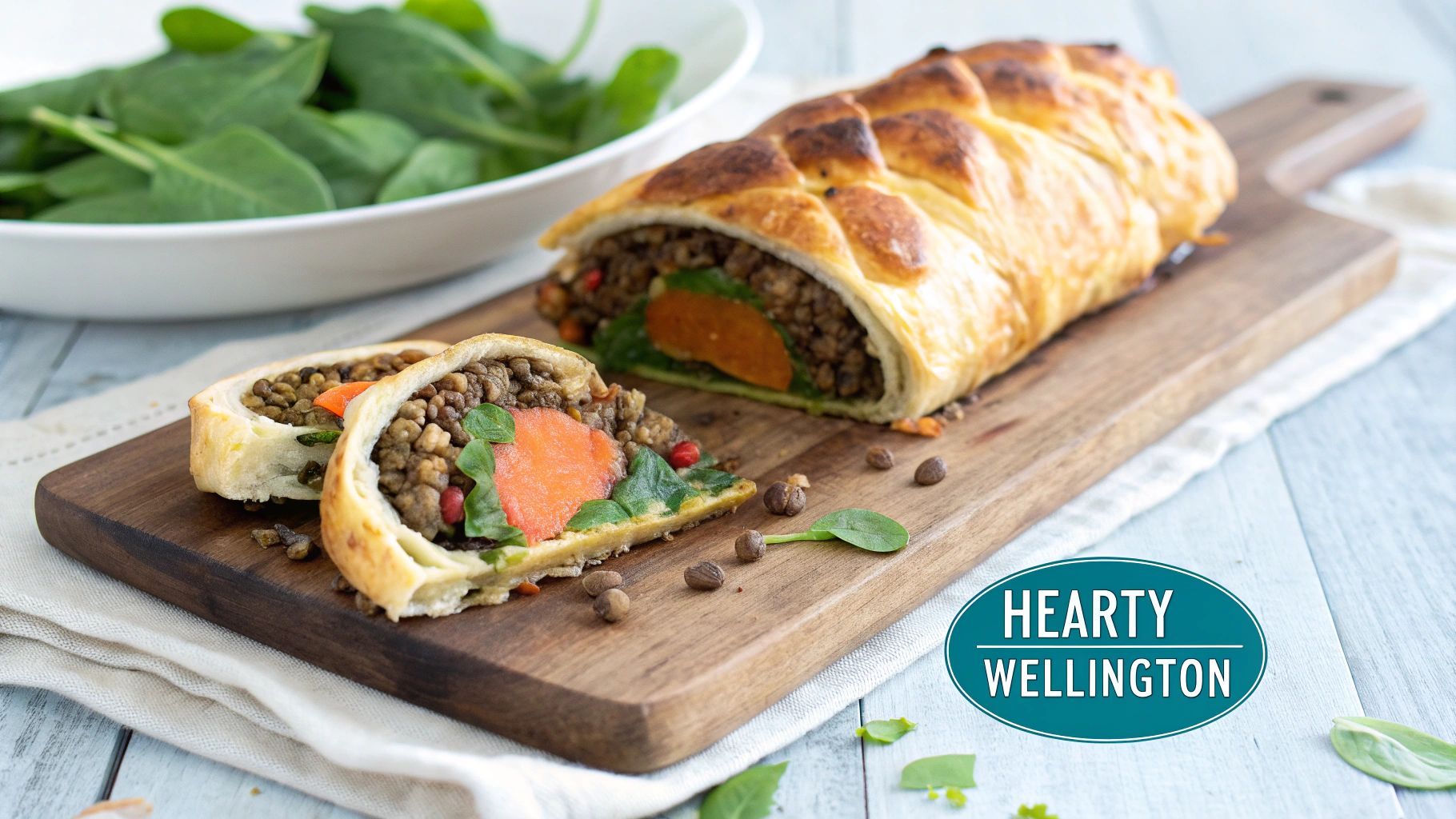
A quintessential Kiwi roast gets a magnificent vegetarian makeover with the Kumara and Lentil Wellington. This dish transforms the humble kumara (sweet potato) and protein-packed lentils into a sophisticated centrepiece, perfect for a Sunday dinner or special occasion. Wrapped in golden, flaky pastry, it's a hearty and flavourful meal that showcases the best of local New Zealand produce.
This dish has become a celebrated part of modern Kiwi cuisine, often seen on festive menus and at popular plant-based eateries. You'll find variations at acclaimed Auckland vegetarian restaurants like Revive and featured in publications such as Cuisine Magazine, cementing its status as one of the best vegetarian dinner recipes NZ style. Its rise in popularity can also be credited to influential food personalities like Nadia Lim and various plant-based NZ food bloggers who have championed this comforting, impressive dish.
Why It's a Kiwi Classic
The magic of this Wellington lies in its combination of textures and flavours. The natural sweetness of roasted kumara pairs beautifully with the earthy, savoury notes of lentils and mushrooms, all seasoned with classic Kiwi herbs like thyme and rosemary. It’s a satisfying, all-in-one main that feels both rustic and elegant.
Tips for the Perfect Wellington
To ensure your Wellington is a showstopper and not a soggy disappointment, follow these key tips:
- Pre-roast the Kumara: Roasting the kumara separately before adding it to the filling is crucial. This step intensifies its sweet flavour and, most importantly, removes excess moisture, which helps keep the pastry base crisp.
- Cool the Filling Completely: Never wrap a warm filling in pastry. The heat will melt the butter in the pastry, leading to a greasy, dense result instead of a light, flaky crust. Let it cool to room temperature first.
- Achieve a Golden Finish: For that perfect golden-brown sheen, brush the exterior of the pastry with a plant-based milk (like soy or almond milk) or an egg wash just before baking.
- Use Day-Old Breadcrumbs: For a filling with a better structure that holds together when sliced, use coarse, day-old breadcrumbs. They provide better binding power than fine, fresh breadcrumbs.
2. Hokey Pokey Kumara Gnocchi
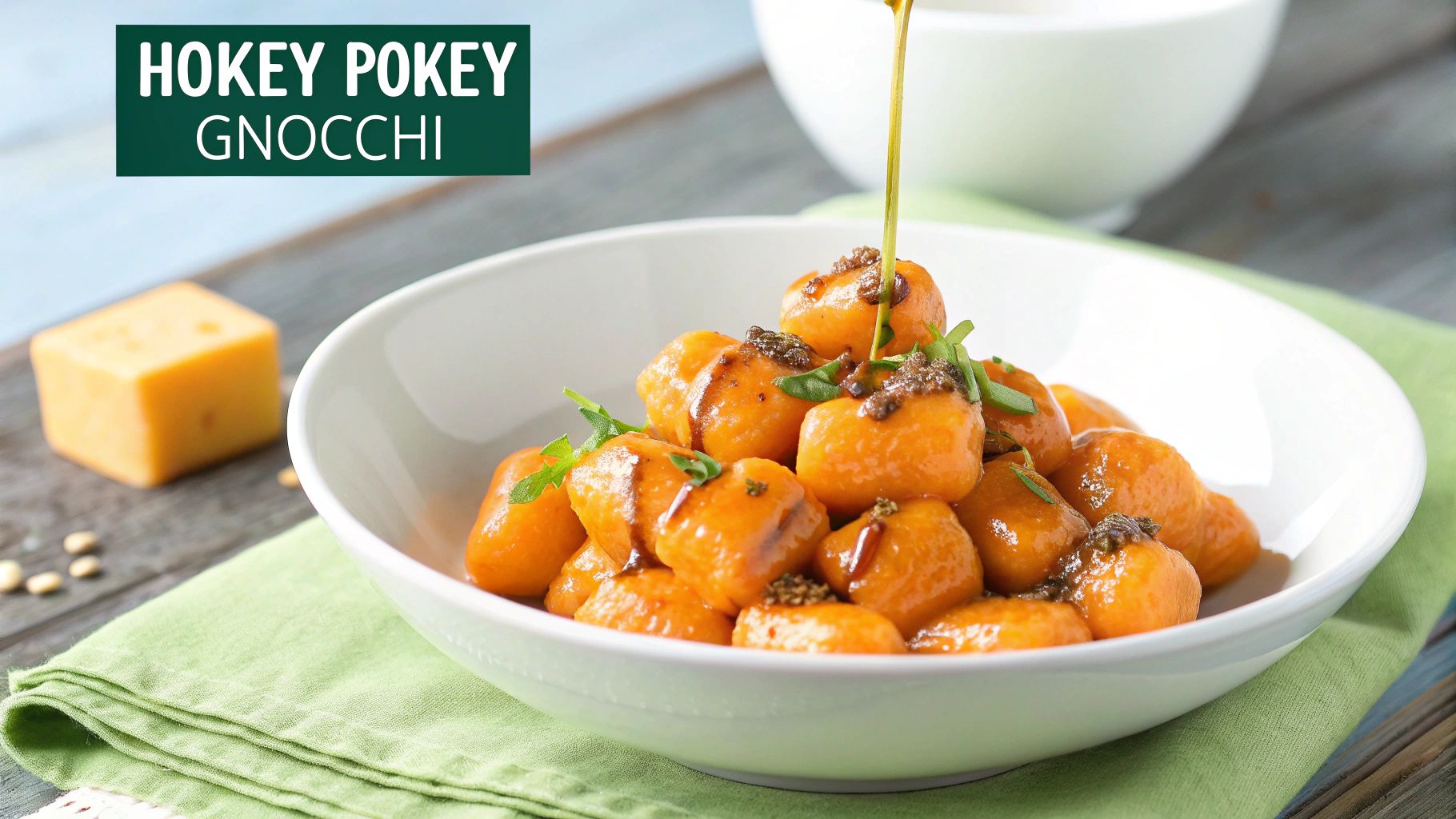
A truly unique Kiwi take on a classic Italian dish, Hokey Pokey Kumara Gnocchi is a playful and sophisticated recipe that perfectly captures the innovative spirit of modern New Zealand cuisine. It replaces traditional potato with vibrant orange kumara to create soft, pillowy dumplings. The "hokey pokey" element comes from a decadent brown butter and golden syrup sauce, mimicking the beloved honeycomb toffee flavour in a savoury context.
This creative fusion dish has been championed by top chefs and food media, often appearing on the menus of high-end Auckland restaurants and at food festivals across the country. Its creative flair makes it a standout amongst vegetarian dinner recipes NZ style. Celebrated chefs like Josh Emett and various Cuisine Magazine contributors have showcased versions of kumara gnocchi, cementing its place as an inventive and delicious meal that surprises and delights the palate.
Why It's a Kiwi Classic
The genius of this dish is its clever balance of sweet, savoury, and nutty notes. The natural sweetness of the kumara is complemented by the rich, caramelised flavour of the brown butter and golden syrup sauce. Toasted walnuts or pecans are often added for a contrasting crunch, creating a dish with a complex texture and flavour profile that is both comforting and gourmet.
Tips for the Perfect Gnocchi
Creating light, fluffy gnocchi instead of dense, chewy lumps requires attention to detail. Follow these key tips for success:
- Ensure Kumara is Dry: Bake, don't boil, the kumara to remove as much moisture as possible. A drier kumara requires less flour, resulting in a lighter, more flavourful gnocchi.
- Use a Ricer: For the smoothest, most lump-free texture, pass the cooked kumara through a potato ricer or a fine-mesh sieve. Mashing can develop gluten and make the dough tough.
- Don't Overwork the Dough: Mix the flour and kumara just until a shaggy dough forms. Overworking develops gluten, which leads to heavy, rubbery gnocchi. Handle it as little as possible.
- Test One First: Before you roll and cut the entire batch, cook a single gnocchi in boiling water. This allows you to check the texture and seasoning, adding a little more flour if it falls apart.
3. Pavlova-Stuffed Roasted Pumpkin
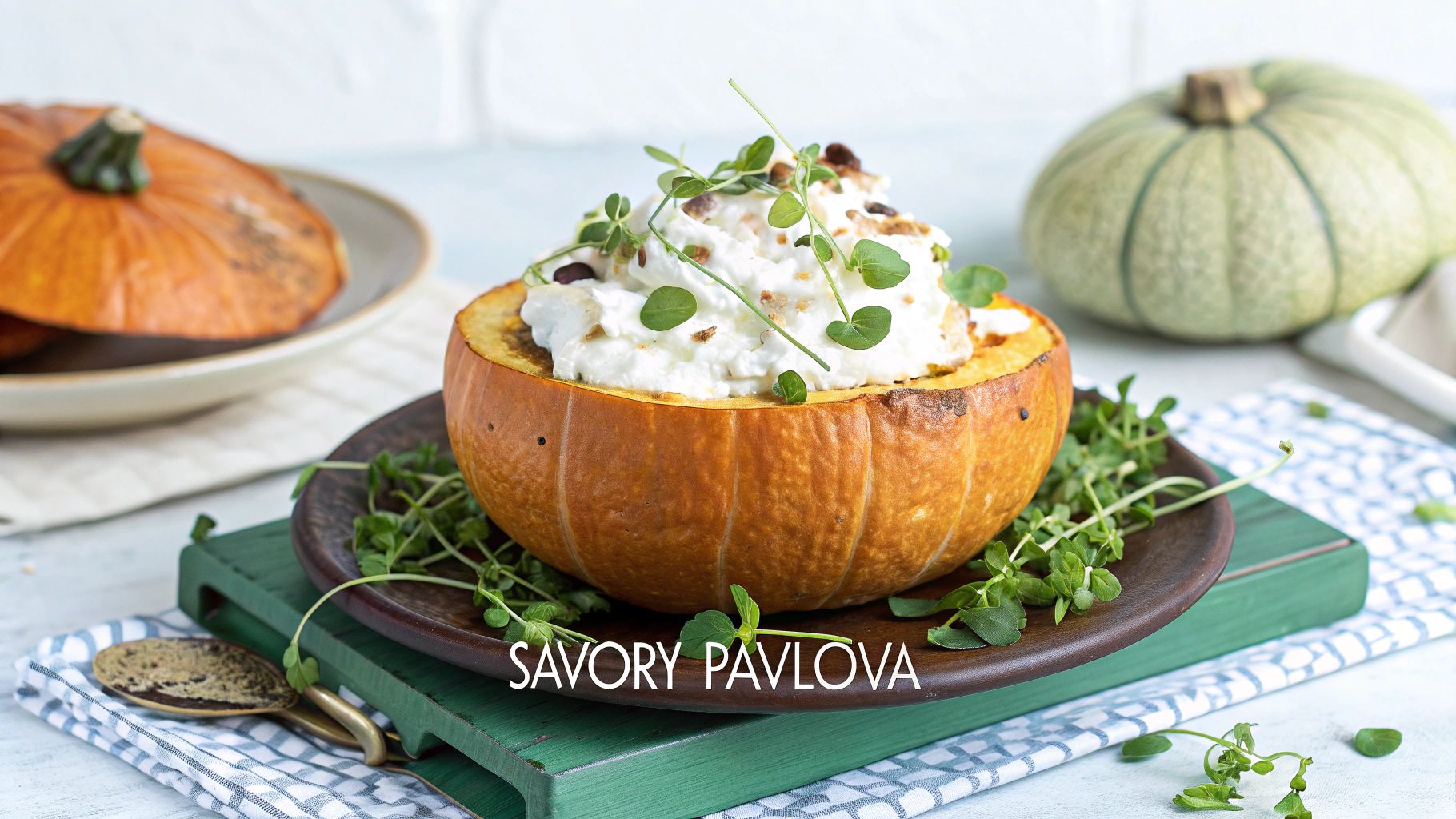
This inventive dish playfully reinterprets New Zealand's national dessert into a stunning savoury centrepiece. The Pavlova-Stuffed Roasted Pumpkin features a whole roasted pumpkin, its sweet flesh serving as a vibrant bowl for a light, airy filling. Instead of sugary meringue, this dish uses whipped aquafaba (the water from a can of chickpeas) or silken tofu, creating a savoury 'pavlova' that's then adorned with fresh herbs and seasonal vegetables.
This creative and theatrical meal is a testament to modern Kiwi culinary innovation, turning heads at dinner parties and on the menus of forward-thinking restaurants. It has been spotted at inventive eateries like Charteris Bay in Wellington and celebrated by innovative NZ food bloggers and social media influencers. As a result, this unique creation is gaining traction as one of the most exciting vegetarian dinner recipes NZ style, offering a visual and culinary surprise.
Why It's a Kiwi Classic
The genius of this dish is its brilliant subversion of a beloved national icon. It captures the light, cloud-like texture of a pavlova but reimagines it in a savoury context, pairing beautifully with the earthy sweetness of roasted pumpkin. It's a fantastic talking point for any dinner table, blending Kiwi nostalgia with contemporary plant-based cooking.
Tips for the Perfect Savoury Pavlova
To master this showstopper and ensure your filling is perfectly fluffy, keep these tips in mind:
- Choose the Right Pumpkin: Select a pumpkin with a flat bottom, such as a Crown or Buttercup squash, for stability. This will prevent it from tipping over in the oven or on the serving platter.
- Score the Flesh: Before roasting, score the pumpkin flesh in a crosshatch pattern. This allows the heat to penetrate more evenly and makes it easier to scoop out serves once it’s cooked.
- Whip to Soft Peaks: When using aquafaba, whip it to soft peaks only. Unlike a sweet meringue where you want stiff peaks, a softer texture is more desirable here as it creates a delicate, soufflé-like filling that complements the pumpkin.
- Garnish Just Before Serving: Add your fresh garnishes, like chopped herbs, toasted seeds, or a drizzle of good quality olive oil, right before you bring it to the table. This preserves their fresh flavour and vibrant texture.
4. Feijoa and Walnut Risotto
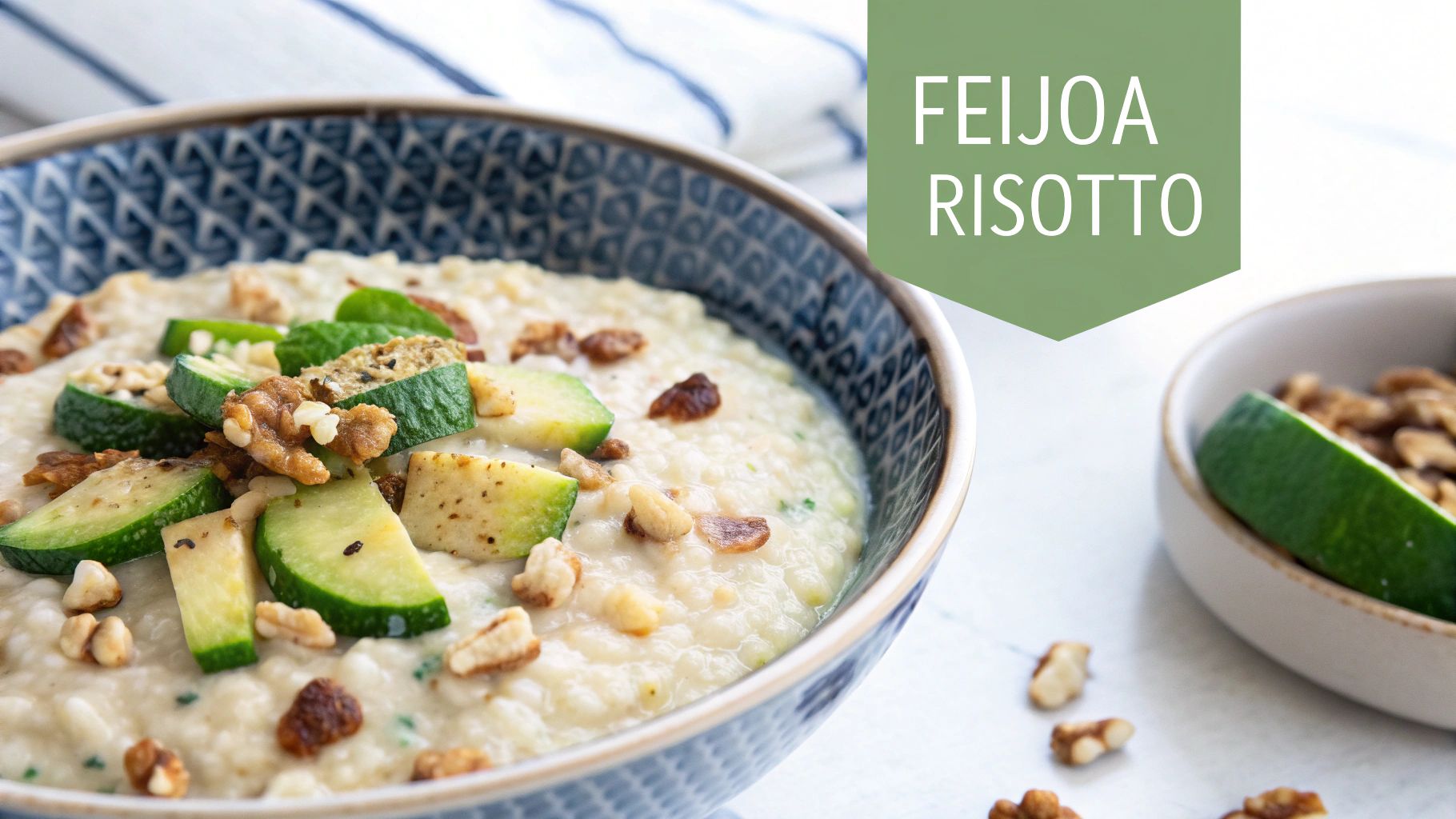
A truly unique and sophisticated dish, the Feijoa and Walnut Risotto celebrates one of New Zealand’s most beloved autumn fruits. This recipe transforms the classic Italian comfort food into a distinctly Kiwi experience, balancing the creamy arborio rice with the feijoa's unmistakable aromatic flavour, which is often described as a mix of pineapple, guava, and mint. Combined with the rich, earthy crunch of locally grown walnuts, it’s a gourmet vegetarian dinner recipe NZ style that feels both surprising and familiar.
This inventive dish is a testament to modern New Zealand culinary creativity, often gracing the menus of fine dining establishments in Christchurch and featuring prominently in Canterbury's seasonal food scene. You might also find passionate vendors serving their own versions at Auckland farmers' market food stalls during feijoa season. It's a favourite among seasonal cooking advocates and New Zealand food writers who champion the use of local, unique ingredients.
Why It's a Kiwi Classic
The appeal of this risotto lies in its elegant balance of sweet, tangy, and savoury notes. The feijoa provides a bright, acidic counterpoint to the rich, starchy rice and buttery Parmesan, while toasted walnuts add a much-needed textural contrast. It’s an innovative way to use the glut of feijoas that every Kiwi household inevitably faces each autumn.
Tips for the Perfect Risotto
Creating a restaurant-quality risotto at home is achievable with a few key techniques to get the flavour and texture just right:
- Use Firm Feijoas: Select feijoas that are slightly underripe. They will hold their shape better when cooked, providing a pleasant textural bite rather than turning into a puree within the risotto.
- Toast Your Walnuts: Gently toasting the walnuts in a dry pan for a few minutes before chopping and adding them is essential. This step deepens their nutty flavour and enhances their crunch.
- Add Feijoas at the End: Stir the diced feijoa into the risotto during the last 2-3 minutes of cooking. This is just enough time to soften them slightly and release their fragrance without them becoming mushy.
- Finish with Finesse: A generous knob of butter, a good handful of quality Parmesan cheese, and a scattering of fresh herbs like parsley or chives stirred through at the end (a process known as mantecatura) will create that signature creamy, luscious finish.
5. Paua Mushroom and Watercress Pasta
This innovative dish is a land-based interpretation of New Zealand's cherished coastal cuisine, brilliantly swapping traditional paua (abalone) for meaty, umami-rich paua mushrooms. Combined with peppery, native watercress and a delicate garlic and white wine sauce, this pasta honours Māori kai moana (seafood) traditions while remaining entirely plant-based. It's a modern, sophisticated recipe that captures the essence of the ocean without harvesting from it.
As one of the most creative vegetarian dinner recipes NZ style, this dish has found a home on the menus of forward-thinking restaurants, particularly along Wellington’s waterfront and at eco-conscious Auckland eateries. It’s also a star at sustainable cooking workshops, championed by plant-based Māori chefs and environmental cooking educators who are redefining Kiwi cuisine. Its clever use of fungi to replicate a seafood classic makes it both delicious and thought-provoking.
Why It's a Kiwi Classic
The genius of this pasta lies in its ability to evoke the flavours of the sea. Paua mushrooms (also known as King Oyster mushrooms) have a firm, slightly chewy texture and a savoury depth that, when prepared correctly, wonderfully mimics the mouthfeel of cooked paua. This, paired with the sharp, fresh bite of watercress, creates a balanced and distinctly New Zealand flavour profile.
Tips for the Perfect Pasta
To create a dish that truly channels the spirit of the Kiwi coastline, follow these key tips:
- Slice the Mushrooms Correctly: To best imitate the texture of paua, slice the mushroom stems into thin, coin-like rounds. Sauté them in butter or oil until they are golden-brown and slightly caramelised to develop a deep, savoury flavour.
- Add Watercress at the End: Watercress is delicate and wilts quickly. To preserve its vibrant colour and peppery flavour, toss it through the pasta right at the very end of cooking, just before serving. The residual heat will be enough to soften it perfectly.
- Boost the Ocean Flavour: To enhance the seaside essence, add a small splash of seaweed-infused stock (like kombu dashi) or a pinch of finely crumbled nori to the sauce. This simple trick adds a subtle, salty brininess reminiscent of the ocean.
- Finish with Zest: A final squeeze of fresh lemon juice and a generous grating of lemon zest cuts through the richness of the sauce and mushrooms, brightening the entire dish. Don't forget a good grind of black pepper.
6. Manuka Honey Glazed Carrots with Quinoa
This dish celebrates one of New Zealand’s most iconic natural products, Manuka honey, by making it the star of a simple yet elegant meal. Manuka Honey Glazed Carrots with Quinoa is a nutritious and distinctly Kiwi dish, balancing the honey's unique, earthy sweetness with the wholesome goodness of quinoa and the vibrant flavour of fresh carrots. It's a light, healthy, and satisfying dinner that feels both modern and deeply connected to New Zealand's natural pantry.
This recipe has found its home in settings that prize health and high-quality local ingredients. You'll see variations served in health-focused Auckland cafes, at farm-to-table restaurants throughout Canterbury, and even on the menus of luxury lodges that aim to showcase premium NZ produce. Its popularity has been driven by health food advocates and the burgeoning farm-to-table movement, which champions simple, flavourful vegetarian dinner recipes NZ style.
Why It's a Kiwi Classic
The appeal of this dish is its beautiful simplicity and focus on flavour. The Manuka honey glaze caramelises the carrots, enhancing their natural sweetness while imparting its signature complex, slightly medicinal notes. Served atop a bed of fluffy quinoa and finished with toasted nuts and fresh herbs, it’s a complete meal that is both nourishing and sophisticated.
Tips for the Perfect Glazed Carrots
Follow these tips to perfectly balance the unique flavours of this dish:
- Use UMF Certified Manuka Honey: For the authentic, rich flavour profile, use genuine Manuka honey with a UMF (Unique Manuka Factor) rating. This ensures you're getting the real deal, with all its characteristic taste and health benefits.
- Cut Carrots Uniformly: For even cooking and consistent caramelisation, slice your carrots into uniform pieces, whether you opt for rounds or batons. This prevents some pieces from becoming mushy while others remain undercooked.
- Toast Your Quinoa: Before boiling, toast the dry quinoa in a pot for a few minutes until it becomes fragrant. This simple step deepens its flavour, giving it a nuttier, more robust taste that complements the honey.
- Balance with Acidity: Manuka honey is sweet and intense. Balance the glaze by adding a generous squeeze of fresh lemon juice or a splash of apple cider vinegar at the end. This brightens the dish and cuts through the sweetness.
7. Green Shell Mussel Mushroom Chowder
This clever recipe offers a plant-based homage to New Zealand's iconic green shell mussel chowder, capturing the creamy, briny essence of the original without any seafood. By using king oyster and shiitake mushrooms, this chowder masterfully recreates the textural bite and deep, oceanic flavours that define the classic dish. Infused with seaweed stock, a splash of white wine, and rich cream, it’s a soul-warming meal that evokes the feeling of dining by the coast.
This vegetarian chowder is a testament to Kiwi culinary innovation and is becoming a standout feature in plant-forward dining. You’ll find versions of it served at vegetarian eateries in coastal towns like Kaikōura and even at eco-lodges on Stewart Island. It's also been adapted by plant-based food bloggers and featured in modern cookbooks, making it one of the most inventive vegetarian dinner recipes NZ style for those missing a taste of the sea.
Why It's a Kiwi Classic
The genius of this chowder is its ability to replicate the complex umami and maritime character of mussels. King oyster mushrooms provide a surprisingly convincing chewy texture, while shiitake mushrooms add a deep, savoury flavour. The combination of creamy potatoes, sweet corn, and a hint of smoky paprika makes it a comforting and deeply satisfying soup that stands proudly alongside its seafood-based inspiration.
Tips for the Perfect Chowder
To make your vegetarian chowder taste authentically of the ocean, focus on building layers of flavour:
- Create an Umami-Rich Stock: Don't discard your mushroom stems. Sauté them with onions and celery, then simmer them to create a flavourful stock base. This extracts every bit of earthy goodness and builds a strong umami foundation.
- Use Kombu for Ocean Flavour: Add a strip of kombu (dried kelp) to your stock while it simmers. This is the secret to achieving that subtle, briny, and oceanic taste without using any seafood. Remove the kombu before serving.
- Simmer, Don't Boil: After adding the cream or plant-based alternative, keep the chowder at a gentle simmer. Boiling can cause the cream to split or curdle, ruining the chowder's silky-smooth texture.
- Let It Rest: For the best flavour, allow the chowder to rest for at least 15-20 minutes off the heat before serving. This gives the flavours time to meld together, resulting in a richer, more cohesive taste.
8. Kiwi Fruit and Goat Cheese Salad with Horopito
This fresh, sophisticated salad embodies the elegance of modern New Zealand cuisine, pairing the iconic kiwi fruit with creamy local goat cheese. The dish is brought to life with a unique vinaigrette featuring horopito, New Zealand's native pepper tree, creating a perfect harmony of sweet, tangy, and peppery flavours. It’s a light yet satisfying meal, ideal for a warm summer evening or as a stunning starter.
This recipe is a testament to the innovation happening in Aotearoa's food scene, particularly championed by New Zealand winery chefs and advocates for native ingredients. You’ll find variations of this salad served at vineyard lunches in Central Otago, gracing the menus of fine dining establishments in Auckland, and featured at winery restaurants in the Bay of Plenty. It stands out as one of the best vegetarian dinner recipes NZ style for its celebration of local terroir and contemporary flair.
Why It's a Kiwi Classic
The brilliance of this salad is its bold yet balanced flavour profile. The sweetness of ripe kiwi fruit cuts through the rich, tangy creaminess of the goat cheese, while the horopito dressing adds a surprising, aromatic heat that elevates the entire dish. It's a simple recipe that feels incredibly chic and showcases New Zealand's world-class produce and unique native botanicals.
Tips for the Perfect Salad
To ensure your salad is vibrant and full of flavour, keep these simple tips in mind:
- Use Firm, Ripe Kiwi Fruit: Select kiwi fruit that is ripe enough to be sweet but still firm to the touch. This ensures it will hold its shape when sliced and won't turn mushy in the salad.
- Bring Goat Cheese to Room Temperature: Allow the goat cheese to sit out for about 20-30 minutes before serving. This softens it slightly, enhancing its creamy texture and making its flavour more pronounced.
- Dress Just Before Serving: To keep your salad greens crisp and prevent the ingredients from becoming soggy, only add the horopito vinaigrette right before you plan to serve it.
- Horopito Substitute: If you can't find dried horopito, you can substitute it with a generous pinch of freshly cracked black pepper mixed with a tiny pinch of chilli flakes to mimic its unique peppery heat.
8 NZ-Style Vegetarian Dinner Recipes Comparison
| Dish | Implementation Complexity | Resource Requirements | Expected Outcomes | Ideal Use Cases | Key Advantages |
|---|---|---|---|---|---|
| Kumara and Lentil Wellington | High: pastry skills and 90 min prep | Moderate: local kumara, lentils, pastry | Hearty, nutritious, visually impressive | Special dinners, Sunday roasts, meal prep | Balanced nutrition, feeds crowd, vegetarian-friendly |
| Hokey Pokey Kumara Gnocchi | Intermediate to advanced: gnocchi technique, flavour balance | Moderate to high: orange kumara, brown butter, golden syrup | Unique fusion flavour, restaurant-quality dish | Elegant dinners, food festivals, adult and kid appeal | Gluten-free, creative NZ ingredient use |
| Pavlova-Stuffed Roasted Pumpkin | Moderate to high: aquafaba whipping, presentation | Moderate: roasted pumpkin, seasonal herbs | Novel savory dish, visually striking | Innovative vegetarian events, autumn/winter meals | Vegan option, zero food waste, conversation starter |
| Feijoa and Walnut Risotto | Moderate: constant attention and stirring | Moderate: feijoas (seasonal), walnuts, arborio rice | Sophisticated, seasonal autumn dish | Autumn seasonal menus, fine dining | Highlights unique local produce, adaptable recipe |
| Paua Mushroom and Watercress Pasta | Moderate: quality mushroom prep, light sauce | Moderate to high: paua or king oyster mushrooms, watercress | Umami-rich, seafood alternative | Quick dinners, sustainable cuisine workshops | Honours Māori traditions, sustainable protein source |
| Manuka Honey Glazed Carrots with Quinoa | Low to moderate: simple glaze, 30 min prep | Medium to high: Manuka honey, quinoa, heritage carrots | Nutritious, balanced, colourful | Healthy cafes, fast nutritious meals | Anti-bacterial honey, quick prep, gluten-free |
| Green Shell Mussel Mushroom Chowder | Moderate to high: flavour building, multiple steps | Moderate: mushrooms, seaweed, cream alternatives | Rich, satisfying vegetarian chowder | Winter meals, coastal vegetarian dining | Authentic seafood flavour, vegan adaptable |
| Kiwi Fruit and Goat Cheese Salad with Horopito | Low: quick assembly, easy prep | Moderate: kiwi fruit, goat cheese, horopito | Light, refreshing, elegant summer salad | Summer entertaining, winery lunches | High vitamin C, native NZ ingredients, visually elegant |
Final Thoughts
Embarking on a culinary journey through New Zealand's unique flavours doesn't mean leaving vegetarian principles behind. As we've explored, creating delicious, satisfying, and distinctly Kiwi meals without meat is not only possible but also incredibly rewarding. The collection of vegetarian dinner recipes nz style we've shared showcases the versatility and richness of local produce, transforming humble ingredients into centrepiece-worthy dishes.
From the hearty and celebratory Kumara and Lentil Wellington to the surprisingly delightful Pavlova-Stuffed Roasted Pumpkin, these recipes prove that vegetarian cooking in Aotearoa is vibrant and full of innovation. We've seen how native ingredients like horopito and manuka honey can elevate a simple dish, and how classic Kiwi favourites can be reimagined with a plant-based focus. The key takeaway is that our local pantry is brimming with potential for incredible vegetarian creations.
Bringing Kiwi Flavours to Your Vegetarian Table
Mastering these recipes is more than just learning to cook; it's about connecting with the land and its bounty in a new way. It’s about understanding how the sweetness of kumara, the tartness of feijoa, and the peppery kick of horopito can work in harmony. This approach allows you to build a repertoire of meals that are not only healthy and ethical but also deeply rooted in New Zealand's culinary identity.
Consider these actionable next steps to continue your exploration:
- Experiment with Seasonal Swaps: Don't be afraid to substitute vegetables based on what's fresh at your local farmers' market. Try using butternut pumpkin instead of kumara in the gnocchi, or different greens in the pasta.
- Master the Sauces and Glazes: The Manuka Honey Glaze or the horopito dressing can be used in other dishes. Try the glaze on roasted parsnips or the dressing on a grilled halloumi salad.
- Share Your Creations: The best way to celebrate food is to share it. Host a dinner party and feature one of these recipes. It’s a fantastic way to introduce friends and family to the exciting world of modern vegetarian dinner recipes nz style.
By embracing these concepts, you move beyond simply following instructions and become a more intuitive and creative cook. You'll develop the confidence to look at a box of seasonal vegetables and see a dozen possibilities, each one a potential new favourite. This journey enriches your palate, deepens your connection to local food culture, and provides endless inspiration for healthy, flavourful weeknight dinners and special occasion feasts alike.
Ready to organise your culinary creations? Visit Folders to find the ideal cooking appliances at the best prices..