





How should I maintain and sharpen my carving knife?
Proper maintenance of a carving knife is essential to keep it sharp, effective, and long-lasting. Unlike everyday kitchen knives, carving knives are designed for precision slicing of meats such as roasts, turkey, ham, and brisket. Regular care will ensure clean cuts and prevent premature dulling.
1. Cleaning and Storage
After each use, hand wash the knife with warm, soapy water and a soft sponge. Avoid soaking the knife for long periods, as excess moisture can cause rusting or handle damage, especially for wooden handles. Rinse thoroughly and dry immediately with a soft cloth to prevent water spots and corrosion.
Carving knives should never be placed in a dishwasher. The high heat, harsh detergents, and movement inside a dishwasher can dull the blade and damage the handle over time. Instead, store the knife in a knife block, on a magnetic strip, or in a protective sheath to maintain its sharpness and prevent accidental damage.
2. Honing vs. Sharpening
To keep a carving knife performing at its best, it’s important to understand the difference between honing and sharpening:
Honing: This is a maintenance process that realigns the edge of the blade without removing metal. It should be done before or after each use to keep the knife slicing smoothly. A honing steel (rod) is ideal for this. Simply hold the steel at a 20-degree angle and run the blade across it in a gentle sweeping motion about 5-10 times per side.
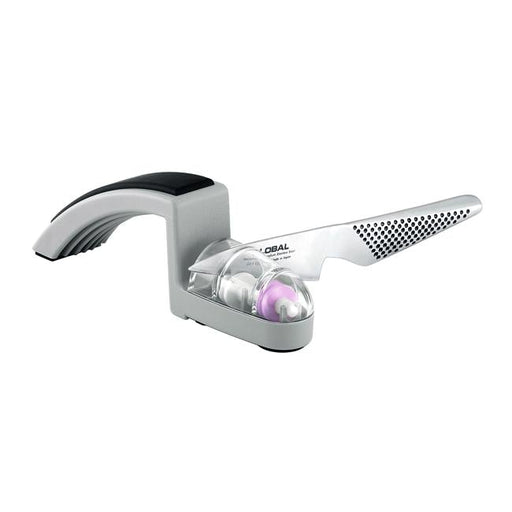
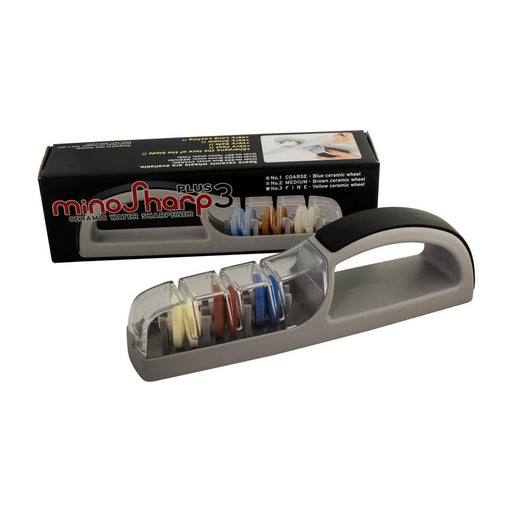
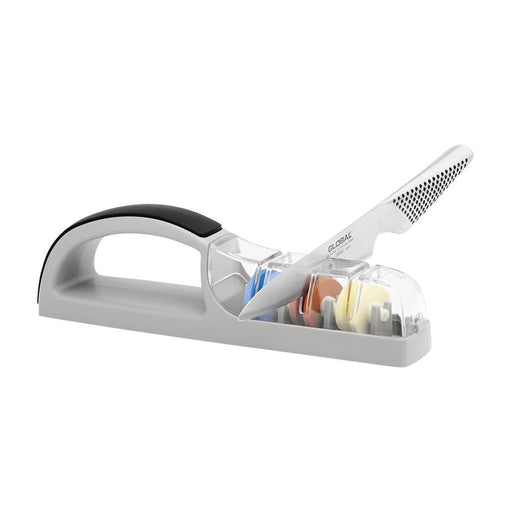
Sharpening: Over time, even with regular honing, the blade will dull and require sharpening. Sharpening actually removes small amounts of metal to restore the edge. Depending on how often the knife is used, it should be sharpened every 3-6 months.
3. How to Sharpen a Carving Knife
Carving knives have thin, long blades, so sharpening must be done with care to preserve their precision. Here are the best sharpening methods:
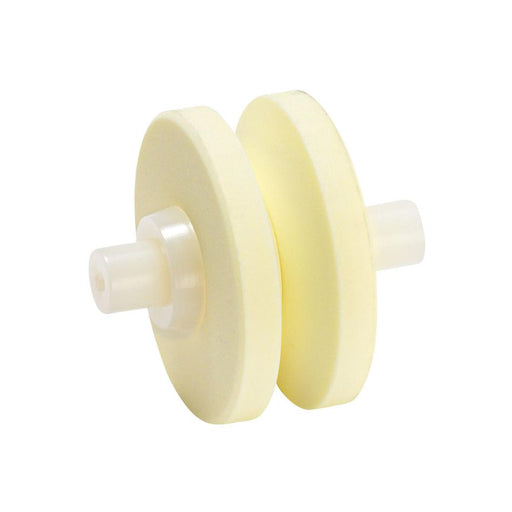
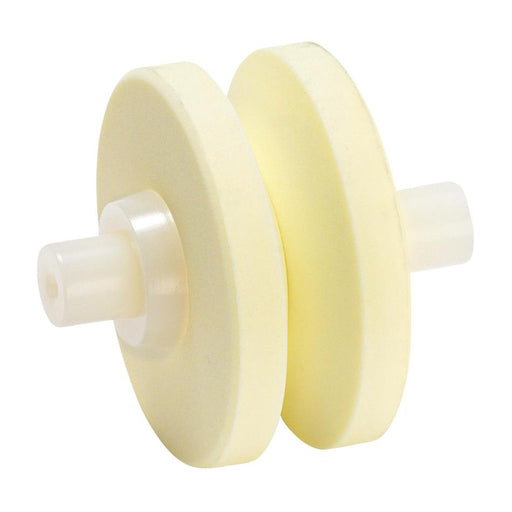
Whetstone (Sharpening Stone): This is the best option for manual sharpening. Use a fine-grit whetstone, keep the blade at a 15-20 degree angle, and glide the knife smoothly across the stone in a controlled motion.
Electric Knife Sharpener: Some electric sharpeners are safe for carving knives, but ensure the model supports thin slicing blades to avoid excessive metal removal.
Professional Sharpening Service: If you're unsure how to sharpen the knife yourself, many kitchenware stores and knife specialists in New Zealand offer professional sharpening services that will extend the life of your knife.
4. Additional Maintenance Tips
✔ Use the right cutting surface – A wood or bamboo cutting board is ideal, as hard surfaces like glass or stone can dull the blade quickly.
✔ Store knives properly – A protective sheath, knife block, or magnetic strip will keep the blade sharp and prevent accidental nicks.
✔ Avoid using a carving knife for other tasks – Do not use it to cut bones, frozen foods, or for general chopping, as this can damage the delicate blade.
By following these maintenance and sharpening techniques, your carving knife will stay sharp and ready for precise slicing, whether you’re preparing a holiday roast or an everyday meal.
What should I consider when selecting a carving knife in New Zealand?
Choosing the right carving knife is essential for achieving precise, clean slices of meat, poultry, and large roasts. In New Zealand, where high-quality cuts of lamb, beef, and pork are popular, selecting a well-crafted, sharp carving knife will enhance your cooking and serving experience. Here are the key factors to consider when purchasing a carving knife.
1. Blade Length and Shape
Carving knives typically have long, narrow blades, ranging between 20 cm to 35 cm. A longer blade (25 cm or more) is ideal for slicing through large cuts of meat in one fluid motion, reducing tearing and preserving the meat’s juices. The narrow, slightly flexible design allows for smooth, controlled slicing with minimal resistance.
For smaller roasts or poultry, a shorter blade (20-22 cm) may be easier to manoeuvre. If you plan to carve ham, brisket, or large beef cuts, opt for a 30-35 cm blade for effortless slicing.
2. Serrated vs. Straight Edge
Carving knives are available in both straight and serrated edges, and the choice depends on what you carve most often.
Straight-edged carving knives are preferred for roasts, turkey, lamb, and brisket, as they create smooth, even slices without tearing.
Serrated carving knives are better suited for crusty meats (like crackling pork roast) or smoked meats, as the teeth grip and saw through tough exteriors without crushing the soft interior.
For versatility, a straight-edged carving knife is recommended, as it can handle a variety of meats and can be easily sharpened.
3. Blade Material & Durability
The quality of the blade material determines how long your carving knife will stay sharp and how easy it is to maintain.
High-carbon stainless steel: Offers sharpness, durability, and rust resistance. This is the best choice for most home and professional chefs in New Zealand.
Stainless steel: More resistant to rust and easy to maintain but may require more frequent sharpening.
Ceramic: Extremely sharp but fragile. It’s not recommended for carving, as it can chip or break if used on bones.
4. Handle Comfort and Grip
A comfortable handle is essential for control and safety, especially when carving large or heavy cuts. Look for a non-slip, ergonomic handle that fits well in your hand.
Wood handles: Stylish and traditional but require more care to prevent water damage.
Rubber or composite handles: Provide a secure, slip-resistant grip, even with wet hands.
Stainless steel handles: Durable and easy to clean but can become slippery if not textured.
5. Carving Knife vs. Carving Set (With Fork)
Many carving knives are sold as part of a carving set, which includes a matching carving fork. A carving fork helps hold the meat steady while slicing, ensuring even, controlled cuts. If you regularly carve large meats, investing in a full carving set may be worthwhile.
6. Electric vs. Manual Carving Knives
For large gatherings or regular carving, some people opt for an electric carving knife. These knives use a motorised blade to reduce hand strain, making them ideal for turkey, ham, or roast beef. However, they require more maintenance and lack the precision of a well-crafted manual carving knife.
What is the difference between a carving knife and a chef's knife?
Both carving knives and chef’s knives are essential kitchen tools, but they serve different purposes due to their distinct blade shapes, lengths, and designs. While both are used for slicing, their unique structures make them suited for specific types of cutting tasks.
1. Blade Shape & Design
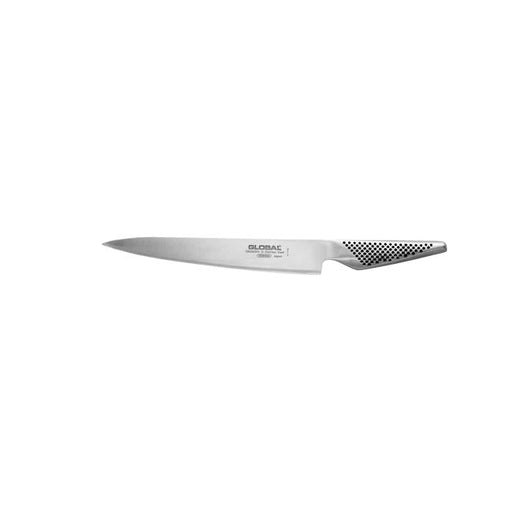
A carving knife has a long, narrow, and slightly flexible blade designed for precise slicing of meats like roast beef, turkey, ham, and brisket. The narrow width reduces resistance, allowing for smooth, even cuts without tearing the meat. Some carving knives also feature a granton edge (small indentations along the blade) to help prevent food from sticking.
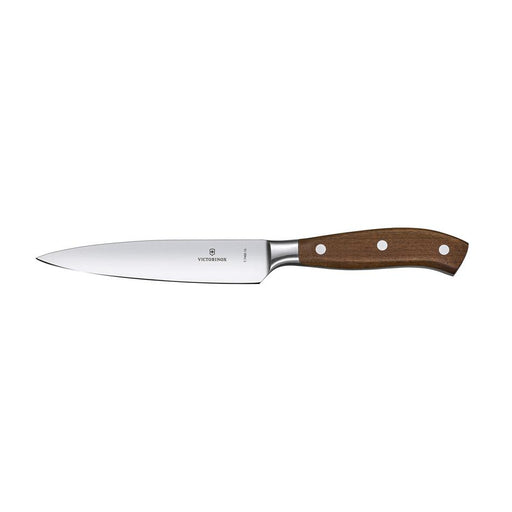
A chef’s knife, on the other hand, has a wider, more curved blade that is designed for chopping, dicing, slicing, and mincing a variety of ingredients, including vegetables, herbs, meats, and fruits. The curved edge allows for a rocking motion, making it more versatile in the kitchen.
2. Blade Length
Carving knives are typically longer, ranging from 20 cm to 38 cm, allowing for long, smooth slicing motions. This length is ideal for cutting through large meats in one clean stroke, preventing shredding.
Chef’s knives are generally shorter, usually between 15 cm to 25 cm, as they are designed for more general kitchen tasks that require finer control and versatility.
3. Intended Use
A carving knife is specialised for slicing cooked meats, such as roasts, turkey, lamb, ham, and brisket. It provides thin, uniform slices without damaging the texture of the meat.
A chef’s knife is a multi-purpose knife used for chopping, slicing, dicing, and mincing. It’s suitable for cutting everything from vegetables and herbs to boneless meats and seafood.
4. Flexibility & Precision
Carving knives have a slightly more flexible blade to allow for greater precision when slicing through meats, whereas chef’s knives have a sturdier, more rigid blade for handling a variety of foods with controlled force.
5. Which One Should You Choose?
If you regularly cook large roasts, turkeys, or briskets, a carving knife is essential for getting clean, restaurant-quality slices.
If you need a versatile, all-purpose knife for daily food preparation, a chef’s knife is the better choice.