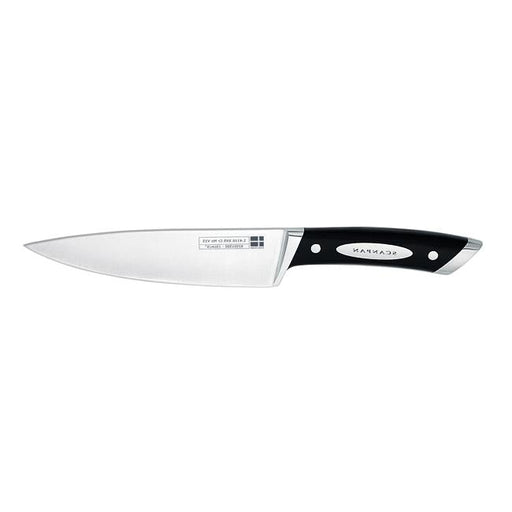
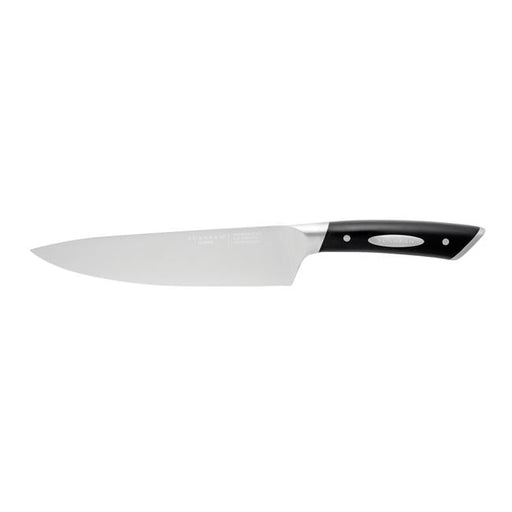
What are popular chef's knife brands available in New Zealand?
When selecting a chef’s knife in New Zealand, it’s essential to choose a brand known for sharpness, durability, and comfort. The best brands offer high-quality materials, ergonomic handles, and well-balanced designs to make slicing, dicing, and chopping effortless. Here are some of the top-rated chef’s knife brands available in New Zealand:
1. Victorinox (Switzerland)
Why it’s great:
- Affordable yet high-quality.
- Lightweight and easy to handle.
- Razor-sharp stainless steel blade with excellent edge retention.
- Fibrox Pro handle offers a comfortable, non-slip grip.
3. Global (Japan)
Why it’s great:
- Lightweight, seamless stainless steel construction.
- Razor-sharp Japanese steel with a long-lasting edge.
- Unique hollow handle filled with sand for perfect balance.
- Sleek, modern design.
Is it worth investing in a high-end chef's knife?
Investing in a high-end chef’s knife can be a game-changer in the kitchen, but whether it's worth the cost depends on how often you cook, what you prepare, and your budget. While premium knives are more expensive, they offer superior sharpness, durability, balance, and comfort compared to cheaper alternatives. Here’s a breakdown of the benefits and considerations of investing in a high-quality chef’s knife.
1. Sharpness & Edge Retention
High-end chef’s knives are made from superior steel, such as high-carbon stainless steel or VG-10 Japanese steel, which holds an edge much longer than budget knives. This means you won’t need to sharpen them as often, making cooking more efficient.
Premium knives (Global, etc.) Stay sharp for months with regular honing. Cheaper knives (generic brands, supermarket knives) Dull quickly and require frequent sharpening.
If you’re someone who chops, slices, and dices frequently, a high-end knife can save time and effort in the kitchen.
2. Durability & Longevity
A well-maintained high-end knife can last a lifetime, making it a long-term investment. Cheaper knives tend to lose their sharpness quickly, chip more easily, and may need replacement within a few years.
Japanese brands (e.g.Global) Razor-sharp edges but require more careful maintenance. If you want a knife that can last for decades, a premium option is worth it.
3. Comfort & Balance
A high-quality chef’s knife is designed for perfect balance, meaning you’ll feel less strain when cutting. The handle, weight distribution, and overall feel are significantly better than budget knives.
Ergonomic handles provide a secure grip, reducing fatigue. Balanced weight ensures smooth slicing with minimal effort. If you cook daily or spend long hours in the kitchen, a comfortable, well-balanced knife can make a huge difference.
4. Precision & Performance
High-end knives allow for precise, effortless cuts, improving overall cooking results. A sharper blade means:
- More even slicing (ideal for meats, vegetables, and delicate ingredients).
- Less force needed (reduces strain on your wrist).
- Better control (prevents food from tearing or crushing).
Professional chefs swear by premium knives because they make prep work faster, safer, and more enjoyable.
5. Cost vs. Value
- Budget knives ($20-$80 NZD) → Good for occasional use but dull quickly.
- Mid-range knives ($80-$200 NZD) → Best for home cooks who want quality without breaking the bank.
- High-end knives ($200-$500+ NZD) → Designed for lifelong use with exceptional sharpness, durability, and craftsmanship.
If you cook only occasionally, a mid-range knife (e.g., Victorinox Fibrox) will likely be sufficient. However, if you cook daily, a premium knife can be a long-term investment that enhances your cooking experience.
How should I maintain and sharpen my chef's knife?
A well-maintained chef’s knife stays sharper, lasts longer, and makes cutting easier and safer. Proper care involves cleaning, storing, honing, and sharpening your knife regularly. Here’s how to keep your chef’s knife in top condition.
Cleaning & Storage
To keep your chef’s knife in the best shape, always hand wash it with warm, soapy water immediately after use. Dry the knife immediately with a towel to prevent rust and stains. Avoid putting knives in the dishwasher because the high heat, harsh detergents, and water pressure can damage both the blade and handle over time.
Proper storage is just as important. Store your knife in a knife block, on a magnetic strip, or in a protective sheath to prevent dulling. Avoid tossing knives loosely into drawers, as this can damage the blade and pose a safety risk.
Honing vs. Sharpening
Many people confuse honing and sharpening, but they serve different purposes. Honing helps maintain the knife’s sharpness by realigning the blade’s edge, but it doesn’t actually sharpen it. Sharpening, on the other hand, removes metal from the blade to restore a dull edge.
For best results, hone your knife before or after every use to keep the edge straight. However, sharpening should only be done every 3-6 months, depending on how often you use the knife.
How to Hone a Chef’s Knife
Using a honing rod regularly can extend the time between sharpening sessions. To hone your knife, hold the honing steel vertically with the tip resting on a solid surface. Place the knife at a 15-20 degree angle against the steel, then slide the blade down and across the rod in a sweeping motion, moving from the heel to the tip. Repeat this motion 5-10 times on each side of the blade.
Honing helps maintain the sharpness of the knife, making cutting easier and reducing the frequency of sharpening.
How to Sharpen a Chef’s Knife
If your knife has become dull, sharpening is necessary. There are three main methods:
1. Whetstone (Best for Longevity)
Using a whetstone is the best way to sharpen a chef’s knife while preserving its edge. First, soak the whetstone in water for 10-15 minutes. Place it on a stable, non-slip surface, then hold the knife at a 15-20 degree angle and glide it across the stone in smooth, controlled strokes. Flip the knife and repeat on the other side. Finish with a fine-grit whetstone to refine the edge.
Whetstones are ideal for high-end knives like Shun, Global, Mac, or Wüsthof, as they allow for precise sharpening without damaging the blade.
2. Pull-Through Sharpener (Easiest for Beginners)
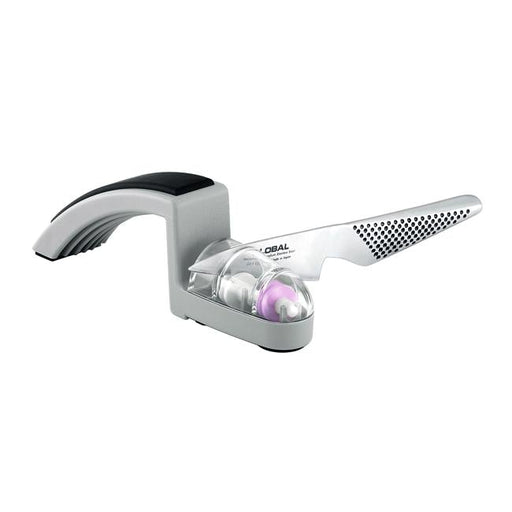
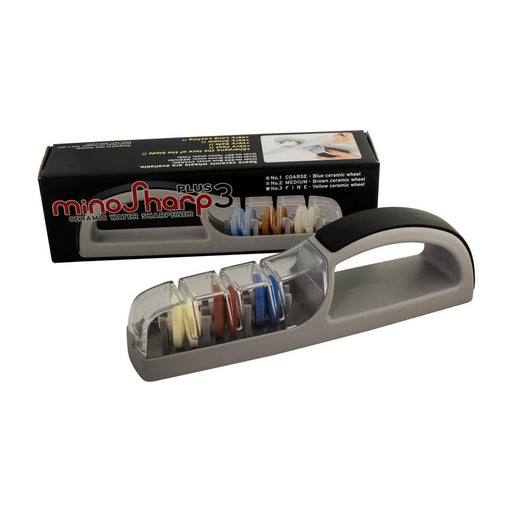
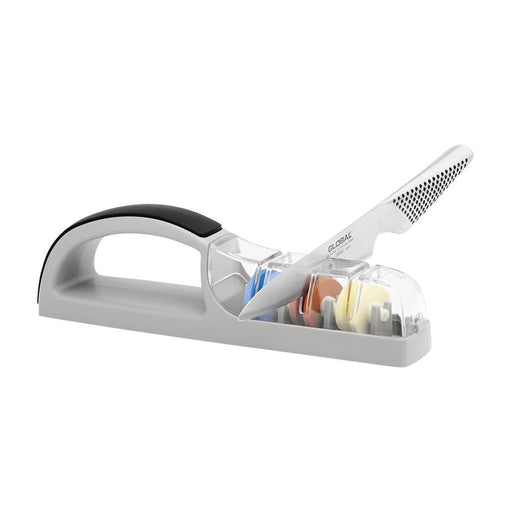
A pull-through sharpener is a convenient and quick option for home cooks. Simply pull the knife through the slots (starting with the coarse setting, then moving to the fine setting). While this method is beginner-friendly, it removes more metal than a whetstone, meaning the knife will wear down faster over time.
Pull-through sharpeners work best for mid-range knives like Victorinox but are not ideal for expensive knives.
3. Electric Knife Sharpener
Electric sharpeners offer fast and effortless sharpening, making them useful for those who don’t want to sharpen by hand. However, they remove a significant amount of metal, which can shorten the knife’s lifespan. Additionally, electric sharpeners can overheat the blade, potentially damaging it.
This method is best for budget knives or those needing quick sharpening, but not recommended for high-quality Japanese knives.