
Transformers
A comprehensive range of power transformers to suit various electrical and industrial applications. Whether you need tapped, multi-tapped, toroidal, or step-down transformers, our selection provides reliable and efficient power conversion for homes, businesses, and specialised equipment. Built with high-quality materials for durability and long-lasting performance, our power transformers guarantee stable and efficient power conversion
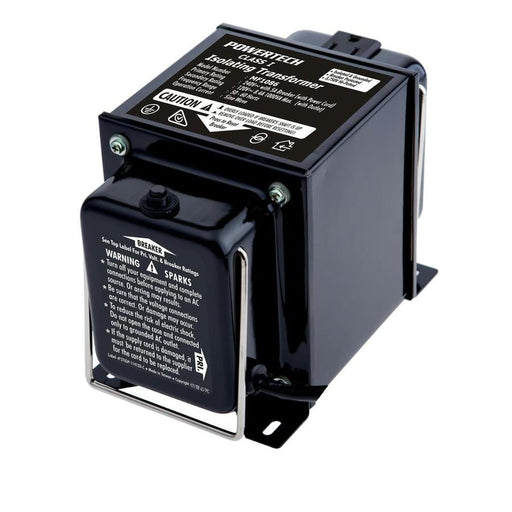
Powertech
Quality fully-enclosed stepdown transformer with fold up metal carry handles, approved 3-wire power cord and US style 3 pin 110 - 120V socket (w...
View full details
Original price
$599.00
-
Original price
$599.00
Original price
$599.00
$599.00
$599.00
-
$599.00
Current price
$599.00
Check ETA
Frequently Asked Questions
More to consider
$19.99
Product title
Original price
-
Original price
Original price
$19.99
$19.99
-
Current price
$19.99
$19.99
Product title
Original price
-
Original price
Original price
$19.99
$19.99
-
Current price
$19.99
$19.99
Product title
Original price
-
Original price
Original price
$19.99
$19.99
-
Current price
$19.99
$19.99
Product title
Original price
-
Original price
Original price
$19.99
$19.99
-
Current price
$19.99
$19.99
Product title
Original price
-
Original price
Original price
$19.99
$19.99
-
Current price
$19.99