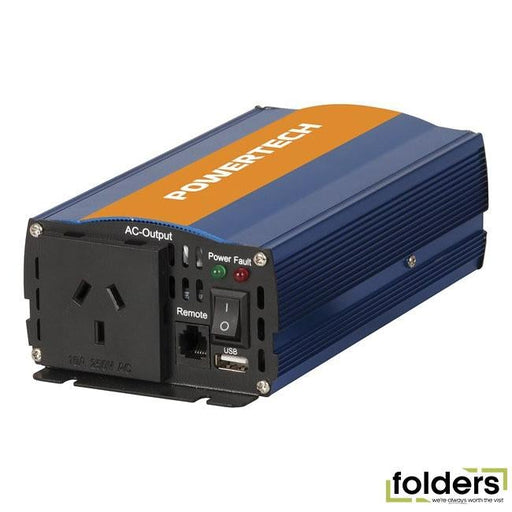


What is a pure sine wave inverter?
A pure sine wave inverter is a device that converts DC (direct current) power from sources like batteries or solar panels into AC (alternating current) power. Unlike modified sine wave inverters, which produce a blocky, stepped waveform, a pure sine wave inverter generates a smooth, continuous waveform, closely resembling the electricity supplied by the grid. This ensures a stable, clean, and noise-free power supply, making it ideal for running all types of electrical appliances, including sensitive electronics.
How It Works
A pure sine wave inverter converts DC power (such as from a 12V or 24V battery) into AC power using advanced circuitry. The result is a true sinusoidal waveform, maintaining a consistent voltage and frequency, which prevents electrical noise, overheating, or malfunctions in sensitive devices.
Advantages of a Pure Sine Wave Inverter
One of the main benefits of a pure sine wave inverter is its compatibility with all AC appliances, including those with delicate electronic components. It prevents overheating and interference, making it perfect for devices such as medical equipment, televisions, and audio systems. Additionally, because it provides a clean power source, it reduces electrical noise and extends the lifespan of appliances that use AC motors, compressors, or variable-speed technology.
Common Applications
Pure sine wave inverters are widely used in solar power systems, off-grid homes, RVs, boats, and caravans. They are also essential for medical devices like CPAP machines and oxygen concentrators, ensuring safe and uninterrupted operation. Other common applications include computers, TVs, gaming consoles, microwaves, refrigerators, and washing machines, which all benefit from the clean and stable power supply.
Conclusion
If you need reliable, stable, and clean AC power for home, office, or mobile applications, a pure sine wave inverter is the best choice. While they are generally more expensive than modified sine wave inverters, their efficiency, reliability, and compatibility with sensitive electronics make them a worthwhile investment.
Why should I choose a pure sine wave inverter over a modified sine wave inverter?
A pure sine wave inverter provides a smooth, stable, and high-quality power output, closely resembling the electricity from the grid. In contrast, a modified sine wave inverter generates a blocky, stepped waveform, which can cause electrical noise, inefficiency, and potential damage to certain appliances. Here’s why a pure sine wave inverter is the better choice:
1. Compatibility with All Electronics
A pure sine wave inverter can power any AC device, including sensitive electronics, appliances with AC motors, and equipment that relies on precise timing. Devices like laptops, gaming consoles, CPAP machines, microwaves, and refrigerators run smoothly on pure sine wave power. A modified sine wave inverter, however, may cause malfunctions, overheating, or inefficient operation in some appliances.
2. Prevents Electrical Noise & Interference
A pure sine wave inverter ensures clean power without causing humming, buzzing, or interference in audio equipment, televisions, and medical devices. Modified sine wave inverters often introduce electrical noise, which can degrade sound and video quality.
3. Improves Efficiency & Reduces Overheating
Devices running on a modified sine wave inverter may consume more power and generate excess heat, reducing their lifespan. A pure sine wave inverter delivers power more efficiently, leading to better performance and lower energy waste.
4. Essential for Appliances with AC Motors & Variable-Speed Technology
If you plan to run refrigerators, washing machines, air conditioners, or power tools, a pure sine wave inverter is necessary. These appliances rely on a consistent AC waveform to operate correctly, and a modified sine wave can cause erratic behavior, reduced efficiency, and premature wear.
5. Safer for Medical Equipment
Devices like CPAP machines, oxygen concentrators, and other medical devices require a stable power supply to function properly. A pure sine wave inverter guarantees safe and reliable operation, whereas a modified sine wave inverter could lead to unpredictable performance or failure.
6. Long-Term Cost Savings
Although pure sine wave inverters are more expensive upfront, they extend the lifespan of appliances, reduce power consumption, and prevent damage to sensitive electronics, saving you money in the long run.
Conclusion
A pure sine wave inverter is the best choice if you need reliable, efficient, and safe power for sensitive electronics, medical devices, AC motor appliances, and high-performance equipment. While modified sine wave inverters may be more affordable, they come with risks that can lead to higher repair and replacement costs over time. If you want clean, stable, and grid-quality power, a pure sine wave inverter is the smarter investment.
How do I determine the right size pure sine wave inverter for my needs?
Choosing the right pure sine wave inverter depends on the total power required by your devices, as well as factors like surge power, efficiency, and battery capacity. Ensuring you select the correct inverter will help prevent overload issues and extend the lifespan of both your inverter and appliances.
1. Calculate Your Total Power Requirements
Start by identifying all the devices you plan to run on the inverter and check their power ratings (in watts or amps). You can usually find this information on the appliance label or in the user manual.
To determine the wattage of a device, use the formula: Watts=Volts×Amps
For example, the power ratings for some common appliances are:
LED TV: 150W
Laptop: 90W
Refrigerator: 700W (running), 1200W (startup surge)
CPAP Machine: 200W
Microwave: 1000W
Add up the total wattage of all the devices you intend to use simultaneously to get a rough estimate of the inverter capacity needed.
2. Consider Surge (Peak) Power Requirements
Certain appliances, especially those with motors or compressors (like refrigerators, air conditioners, and power tools), require extra power when starting up. This is known as surge power or peak power.
For instance, if a refrigerator runs at 700W but has a startup surge of 1200W, your inverter must be able to handle at least 1200W of peak power to prevent shutdowns or damage. Most inverters list both continuous power (normal running power) and surge power (short bursts needed for startup).
3. Choose an Inverter with Extra Capacity
To ensure smooth operation and prevent overloading, it's best to select an inverter with 20–30% more capacity than your total wattage requirement.
For example, if your total power needs amount to 1000W, consider getting an inverter rated between 1200W and 1500W. If you have high-surge appliances, ensure the inverter’s peak power rating is at least double the continuous rating.
4. Match the Inverter to Your Battery System
Since inverters draw power from batteries, it's essential to match the inverter with a suitable battery system. Consider the following:
Battery Voltage (12V, 24V, or 48V): The inverter should match the voltage of your battery bank.
Battery Capacity (Ah – amp-hours): Your battery must supply enough power for the required runtime.
Battery Runtime Calculation: Battery run time = Battery capacity (mAh or Wh) / Device power consumption (mA or W)
For example, a 12V, 100Ah battery running a 500W load with 90% efficiency would last approximately 2 hours before needing a recharge.