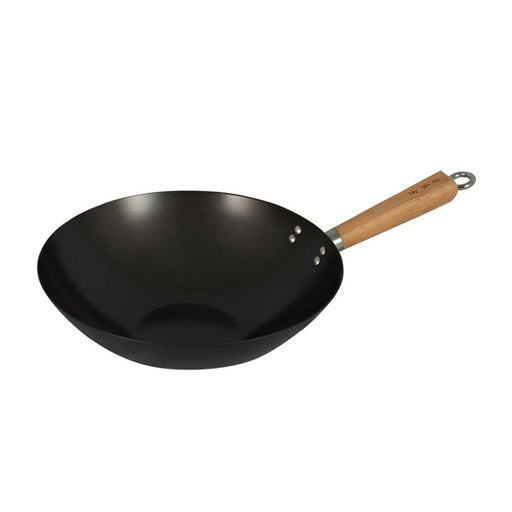
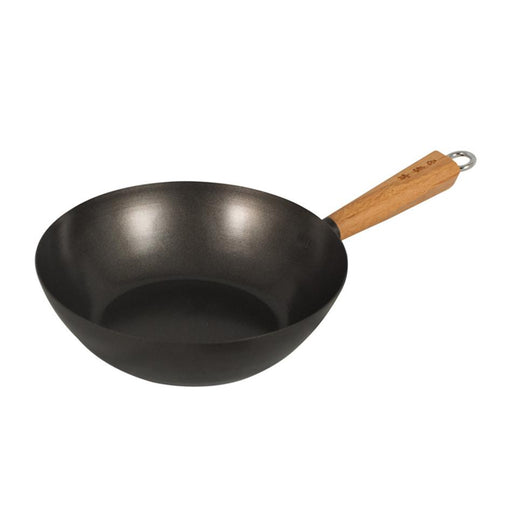
What material is best for a wok?
Choosing the right wok material depends on factors like heat conductivity, durability, and maintenance. Each type of wok has its own advantages and drawbacks, making some better suited for high-heat stir-frying while others excel in ease of use and maintenance.
Carbon Steel – The Best All-Round Option
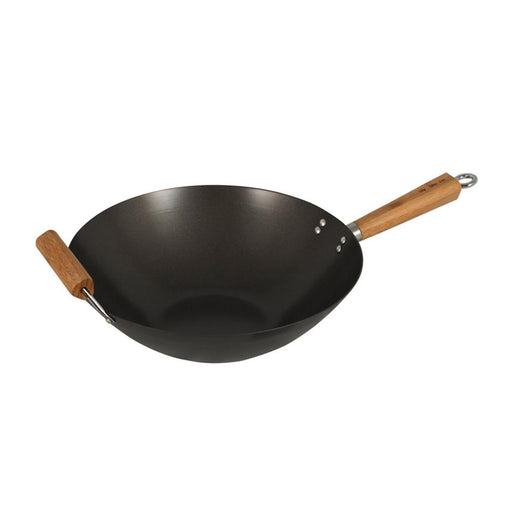
Carbon steel is widely regarded as the best material for a wok, especially for traditional cooking. It heats up quickly and responds well to temperature changes, making it perfect for stir-frying, deep-frying, and steaming. Over time, carbon steel develops a natural nonstick patina, improving its performance with every use. However, it requires seasoning to prevent rust and must be dried properly after washing. Despite the extra care, its lightweight nature and high efficiency make it the top choice for professionals and home cooks alike.
Cast Iron – Best for Heat Retention
Cast iron woks are excellent at retaining heat, making them ideal for slow cooking, braising, and deep-frying. Once heated, they maintain a steady temperature, ensuring even cooking. Like carbon steel, cast iron woks develop a natural nonstick surface over time with proper seasoning. However, they are significantly heavier, making them harder to maneuver when tossing food. They also take longer to heat up and are prone to rust if not properly maintained. Despite these drawbacks, cast iron woks are highly durable and can last a lifetime with proper care.
Stainless Steel – Low Maintenance and Durable
For those who prefer a wok that requires minimal upkeep, stainless steel is a great option. It does not require seasoning, is resistant to rust, and can handle acidic foods like tomato-based dishes without reacting. However, stainless steel does not heat as quickly as carbon steel and lacks the natural nonstick properties of seasoned woks. As a result, food can stick more easily, especially if not cooked with enough oil. While not the best choice for traditional stir-frying, stainless steel woks are highly durable and a good option for those who want an easy-to-maintain alternative.
Nonstick Woks – Best for Convenience
Nonstick woks are perfect for quick, everyday cooking with minimal oil. They do not require seasoning and are easy to clean, making them appealing for those who want a hassle-free experience. However, they are not suitable for high-heat cooking, as excessive heat can damage the coating. Over time, the nonstick layer can wear out, reducing the wok’s effectiveness. Because they do not achieve the high temperatures needed for authentic stir-frying, nonstick woks are better suited for gentle cooking rather than traditional wok techniques.
Which Wok Should You Choose?
For the best overall cooking experience, carbon steel is the top choice due to its quick heating, lightweight design, and ability to develop a natural nonstick patina. If you prefer something that holds heat longer and don’t mind the extra weight, cast iron is a great alternative. For those who want a wok that requires less maintenance, stainless steel is a solid option, while nonstick woks are best for low-heat cooking and easy cleanup.
If you’re looking for an authentic wok experience, carbon steel is the best investment. Would you like tips on how to season your wok for optimal performance?
Do I need to season my wok before use?
Yes, if you have a carbon steel or cast iron wok, seasoning is essential before the first use. Seasoning creates a natural nonstick layer, prevents rust, and enhances the wok’s ability to cook food evenly. This process helps bond oil to the metal surface, forming a protective coating that improves with each use.
If you have a stainless steel or nonstick wok, seasoning is not necessary. Nonstick woks already have a coating that prevents food from sticking, and stainless steel does not require seasoning, though some people still prefer to season them lightly to improve their performance.
How to Season a Carbon Steel or Cast Iron Wok
To season your wok, first, wash it thoroughly with warm water and a mild detergent to remove any factory coating or residue. Dry it completely with a towel or by placing it over low heat on the stove. Then, apply a thin layer of high-smoke-point oil (such as vegetable, canola, peanut, or flaxseed oil) to the entire interior surface. Heat the wok over medium-high heat until the oil begins to smoke, then let it cool. Repeat this process 2-3 times for the best results.
Over time, the wok’s surface will darken, indicating a well-seasoned layer. The more you cook with it, especially with oil-rich foods, the better the seasoning will become. If your wok ever develops rust, simply scrub it off, re-season, and continue cooking as usual.
Why is Seasoning Important?
Without seasoning, a carbon steel or cast iron wok can cause food to stick and is more prone to rusting. Properly seasoned woks become smoother over time, making stir-frying, searing, and other cooking methods easier and more effective.
If you're using a pre-seasoned wok, you may still want to do an initial seasoning at home to enhance its performance. Would you like a step-by-step guide on seasoning your wok for the first time?
Can I use a wok on an electric or induction stove?
Yes, you can use a wok on an electric or induction stove, but you need to choose the right type of wok and adjust your cooking techniques slightly. Traditional round-bottomed woks are designed for gas stoves, but there are solutions for making them work on electric and induction cooktops.
Using a Wok on an Electric Stove
Electric stoves, whether coil or glass-top, require direct contact with the heating element. Flat-bottomed woks are the best option because they sit directly on the surface, allowing even heat distribution.
If you only have a round-bottomed wok, you can use a wok ring to keep it stable, but this reduces heat efficiency and may not heat the wok evenly. Cooking techniques like tossing ingredients may also be harder on an electric stove since heat transfer is slower compared to gas.
Using a Wok on an Induction Stove
Induction stoves work by creating a magnetic field that heats cookware directly. To use a wok on induction, it must have a magnetic base—which means carbon steel, cast iron, or induction-compatible stainless steel woks will work, but aluminium and nonstick woks without a metal base will not.
Again, a flat-bottomed wok is the best choice because it maintains full contact with the cooktop, ensuring efficient heat transfer. A round-bottomed wok will not work on induction unless you use an induction-compatible wok adapter, but this reduces cooking efficiency.
Best Wok for Electric & Induction Stoves
If you're cooking on an electric or induction stove, a flat-bottomed carbon steel wok is the best option. It heats quickly, retains high temperatures, and works well with stir-frying techniques. If you prefer a nonstick wok, make sure it has an induction-compatible base if using it on an induction cooktop.