

Homemade Oven Cleaner Recipes That Actually Work
Let's face it, the harsh smell of commercial oven cleaner isn't something you want lingering in your kitchen. Increasingly, New Zealanders are ditching these harsh chemicals and opting for homemade oven cleaners. This shift is fuelled by several factors, including cost savings, a desire for healthier homes, and, surprisingly, superior cleaning power.
Consider how much you spend annually on oven cleaner. It adds up quickly. Homemade cleaners utilise simple ingredients like baking soda and vinegar, likely already in your pantry. This not only saves money but also reduces the number of cleaning products you need. Plus, you control the ingredients, eliminating unwanted chemicals and fragrances. This is particularly important for families with young children or sensitivities.
This shift towards natural cleaning isn't just a trend. The use of homemade oven cleaners in New Zealand has surged due to growing environmental and health concerns surrounding commercial cleaners. A survey by the New Zealand Statistics Office revealed a substantial increase in the preference for natural cleaning products between 2018 and 2020, with approximately 60% of households choosing eco-friendly options. Learn more here: Oven Cleaning Tips. This reflects a broader national commitment to sustainability.
The Power of Natural Ingredients
How can simple ingredients like baking soda tackle tough, baked-on grease? The secret lies in the chemical reactions that occur when these natural ingredients combine. Baking soda is a mild alkali that breaks down grease and grime. Vinegar, an acid, dissolves mineral deposits and neutralizes odors. For more on Kiwi home cooking trends, check out: How Kiwis Embrace Home Cooking. Together, they create a powerful cleaning combination that often surpasses commercial products filled with harsh chemicals.
Health and Environmental Benefits
Besides the practical advantages, homemade oven cleaners offer peace of mind. You avoid exposing your family to potentially harmful chemicals and reduce your environmental footprint. Choosing natural ingredients contributes to a cleaner, healthier Aotearoa. This aligns with New Zealand's emphasis on environmental protection and sustainable living. Ultimately, switching to a homemade oven cleaner is a win-win: better for your wallet, health, and the environment, while providing a sparkling clean oven.
Your Natural Cleaning Arsenal: Ingredients That Work
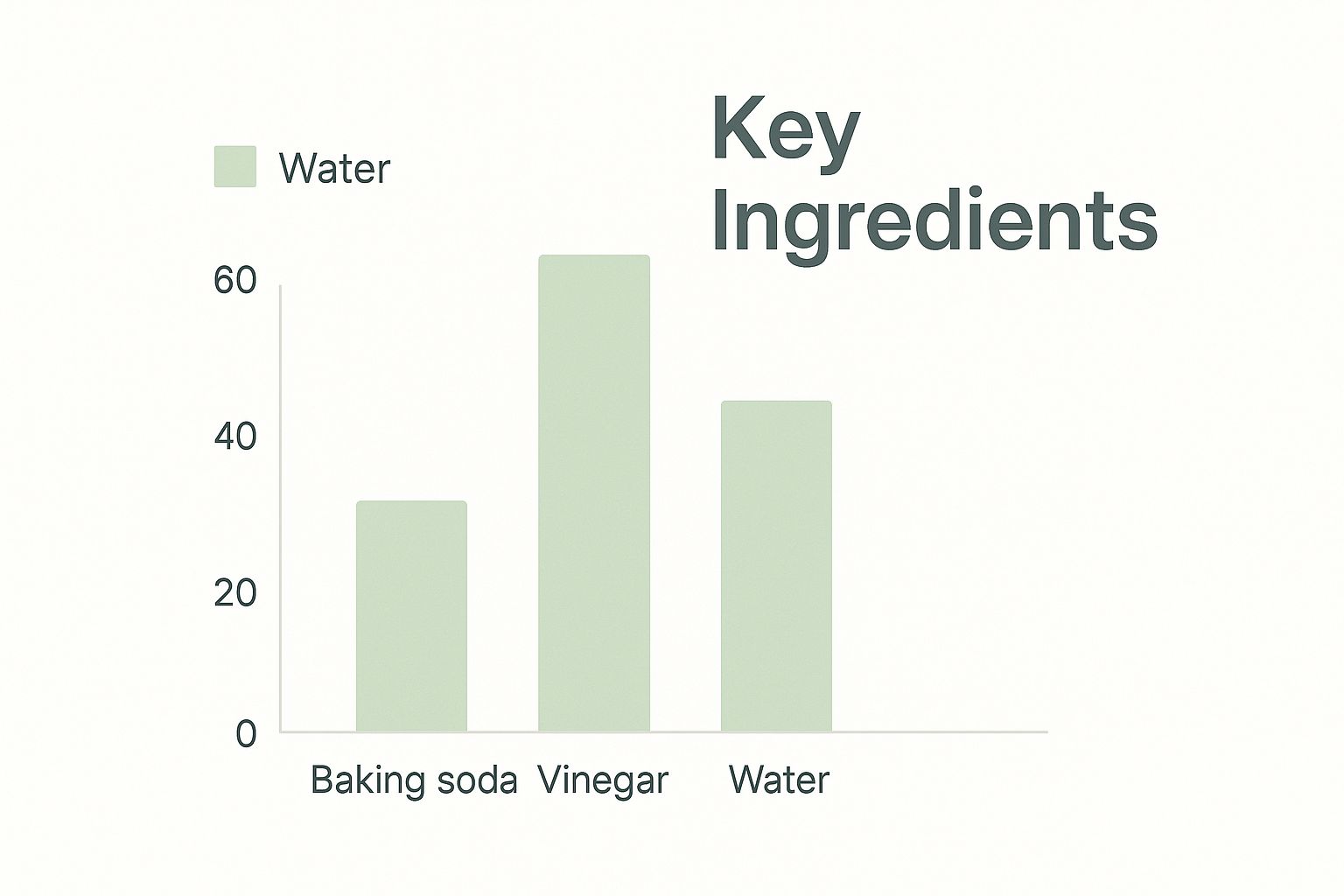
This infographic showcases the core components of a powerful homemade oven cleaner: baking soda, vinegar, and water. These everyday ingredients are readily accessible and form the basis of effective cleaning solutions.
A truly effective homemade oven cleaner comes from understanding the science behind these ingredients. It's all about the chemistry! Baking soda, or sodium bicarbonate, is a mild alkali. This helps it break down grease and grime, similar to its role in baking. White vinegar, a diluted acetic acid, is excellent at dissolving mineral deposits and tackling odours. Think of how it works on your kettle.
The combination of baking soda and vinegar creates a fizzing reaction that lifts stubborn stains. Adding salt to the mix provides extra abrasion for scrubbing. Together, these ingredients are the foundation for a variety of potent cleaning solutions.
Understanding the Power of Each Ingredient
Let's delve into the specific properties of each ingredient and see how they contribute to a cleaner oven.
-
Baking Soda: Its mild alkalinity softens baked-on food, simplifying scrubbing. It's especially good for tackling greasy residues.
-
White Vinegar: Vinegar's acidity cuts through mineral deposits and soap scum, leaving surfaces gleaming. It also neutralises odours.
-
Lemon Juice: For a fresh scent, lemon juice offers a natural alternative to vinegar. It provides similar acidic cleaning power with a citrusy aroma. Check out this guide on How to master stainless steel appliance cleaning for more cleaning tips.
-
Salt: Salt's coarse texture boosts scrubbing power, loosening tough, burnt-on food. It's like a natural scouring agent.
Choosing Your Ingredients Wisely
Using quality ingredients is crucial for the best results. Opt for pure baking soda and white vinegar from trusted brands. While prices may differ, the cost per use is generally low, making homemade cleaners a budget-friendly option.
Proper storage is also essential. Keep baking soda and salt in airtight containers to prevent clumping. Store vinegar in a cool, dark place.
To help you choose the right ingredients for your cleaning needs, here's a helpful comparison:
To help you choose the right ingredients for your cleaning needs, here's a helpful comparison:
Essential Homemade Oven Cleaner Ingredients Comparison
Detailed comparison of key natural ingredients showing their cleaning properties, costs, and effectiveness ratings
|
Ingredient |
Primary Function |
Cost per Use |
Effectiveness Rating |
Safety Level |
|---|---|---|---|---|
|
Baking Soda |
Grease and grime removal, softening baked-on food |
Very Low |
High |
Very Safe |
|
White Vinegar |
Dissolving mineral deposits, neutralizing odors |
Very Low |
High |
Safe (diluted) |
|
Lemon Juice |
Acidic cleaning, fresh scent |
Low |
Medium |
Very Safe |
|
Salt |
Abrasive cleaning, loosening burnt-on food |
Very Low |
Medium |
Very Safe |
This table highlights the effectiveness and affordability of common household ingredients for oven cleaning. Baking soda and vinegar are highly effective and cost-efficient choices. While lemon juice and salt offer good cleaning properties, they might not be as potent. All ingredients listed are generally safe for household use.
Proven Recipes That Transform Your Oven
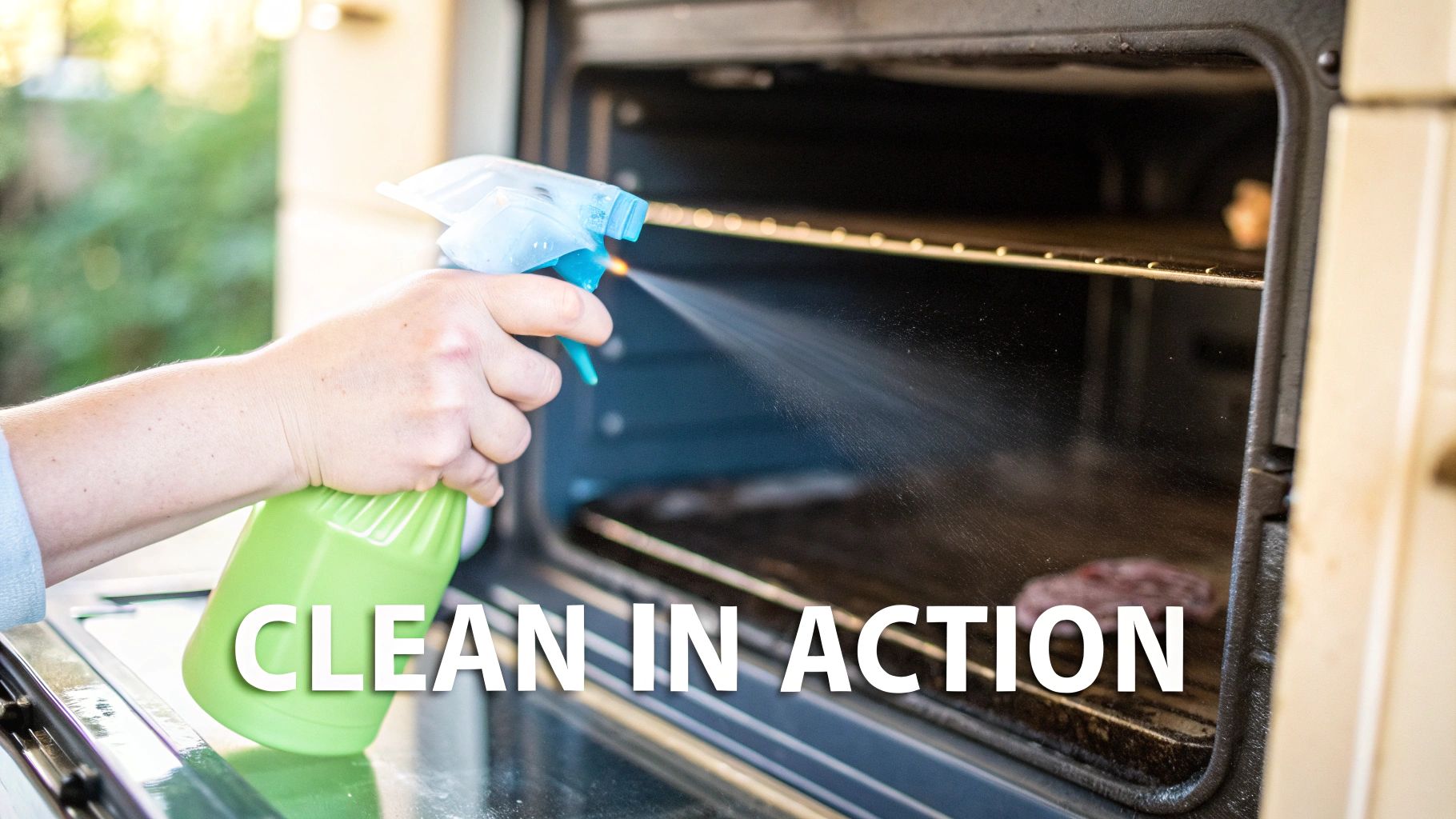
Ready to ditch harsh chemicals and embrace natural cleaning? These proven homemade oven cleaner recipes will make your oven sparkle using ingredients you likely already have. Whether it's everyday grime or burnt-on messes, there's a solution for every oven cleaning challenge.
The Classic Baking Soda Paste
This simple yet effective method is a favorite for many. Mix ½ cup baking soda with enough water to create a thick paste, similar to toothpaste. Spread the paste evenly inside your oven, avoiding the heating elements.
Let it sit overnight, or for at least 12 hours. The baking soda loosens grime and grease. The next day, wipe the paste away with a damp cloth.
For stubborn spots, a scraper or some extra scrubbing might be needed. Finally, spray the oven with white vinegar and wipe clean. The vinegar reacts with any remaining baking soda for extra cleaning power.
The Dynamic Vinegar Spray
For lighter cleaning or regular maintenance, a vinegar spray is your best friend. Fill a spray bottle with equal parts water and white vinegar.
Spray the solution liberally inside your oven and let it sit for 30 minutes to an hour. The vinegar breaks down grease and grime. Maintaining clean surfaces, especially kitchen cabinets, contributes to a cleaner overall kitchen environment. Learn more about cleaning wood cabinets in this helpful article: How to Clean Wood Cabinets.
After the vinegar has done its work, wipe the oven clean with a damp cloth. This method is excellent for freshening your oven between deep cleans.
The Heavy-Duty Citrus Power Clean
This recipe tackles the most stubborn burnt-on food. Combine ½ cup baking soda, ¼ cup salt, and ¼ cup lemon juice to create a powerful scrubbing paste.
The salt provides extra abrasion, while the lemon juice adds a fresh scent. Apply the paste to the problem areas and let it sit for at least 2 hours, or even overnight. Scrub the paste with a scouring pad or stiff brush. For really tough spots, you might need to put in a little extra effort.
Wipe the oven clean with a damp cloth and then with plain water to remove any residue. Keeping your fridge organised can also contribute to a cleaner, more efficient kitchen. Check out this article for tips: How to master fridge organisation. This heavy-duty cleaner will revive even the most neglected ovens.
Tailoring Your Approach
These recipes offer a starting point. You can adjust the ingredient ratios to match your oven's condition and the level of cleaning required.
For a lightly soiled oven, reduce the baking soda in the paste. For heavier build-up, increase the salt in the heavy-duty cleaner. This flexibility is a key benefit of homemade cleaning solutions. You're in control.
Application Secrets for Maximum Cleaning Power
The secret to a truly spotless oven isn't just the cleaning solution you use, but how you apply it. Much like painting a wall, simply spreading the cleaner won't achieve a pristine finish. The real magic comes from strategic application and attention to detail.
Preparing Your Oven for Cleaning
Before you even think about applying your cleaner, a little prep work is essential. Start by removing any loose debris, like crumbs or larger food particles. A quick sweep with a brush or a pass with your vacuum cleaner will make the cleaning process much smoother. Next, protect your kitchen floor by placing some old newspapers or a drop cloth underneath the oven door. This will catch any spills and minimise cleanup later.
Timing Is Everything: Let Your Cleaner Work Its Magic
Patience is key when cleaning an oven. Once you've applied your homemade cleaner, allowing it to dwell is crucial. For baking soda pastes, aim for at least 12 hours, or ideally overnight. This gives the baking soda ample time to break down baked-on grime. If you're using a vinegar spray, 30 minutes to an hour should suffice. Think of it like marinating – the longer it sits, the better the results!
Targeted Application for Different Oven Parts
Different oven components require slightly different cleaning approaches. For the oven interior, apply your chosen cleaner liberally, ensuring even coverage, and pay particular attention to heavily soiled areas. When cleaning the glass oven door, avoid using abrasive cleaners, as these can scratch the glass. Instead, opt for a baking soda paste or vinegar spray. For oven racks, a good soak in hot water, dish soap, and baking soda works wonders.
Temperature Considerations and Safety Precautions
While a slightly warm oven can enhance the cleaning process, never apply your cleaner to a hot oven. This can cause the cleaner to dry too quickly, reducing its effectiveness. For safety, always ensure your oven is cool to the touch before applying any cleaning solution. Good ventilation is also essential, especially when working with vinegar. Open a window to ensure fresh air circulates in your kitchen. Lastly, always protect your hands by wearing gloves.
Handling Stubborn Cleaning Challenges
Even the most diligent cleaning routines can encounter stubborn, burnt-on food. For these particularly tough messes, try a two-step approach. First, apply a paste of baking soda and water and let it sit overnight. Then, scrub the area with a paste of salt and vinegar. This combination often provides the extra cleaning power needed to tackle the toughest grime. By following these application tips, you can maximise the effectiveness of your homemade oven cleaner and achieve a sparkling clean oven every time.
Making a Real Environmental Impact
Choosing a homemade oven cleaner offers more than just a sparkling oven; it's a step towards a healthier planet, particularly in environmentally conscious New Zealand. This simple swap is part of a broader shift towards sustainable living. It reflects a growing understanding of how our everyday choices affect our environment.
Reducing Your Environmental Footprint
Conventional oven cleaners often come packaged in aerosol cans or plastic bottles, adding to landfill waste. Homemade cleaners, conversely, typically use ingredients stored in reusable containers. This reduces packaging and promotes a circular economy. The harsh chemicals found in commercial cleaners can also enter our waterways through runoff.
Homemade solutions, using natural ingredients, are gentler on the environment and our plumbing. This is especially crucial in New Zealand, a nation known for its pristine natural resources. Protecting these resources is a key driver behind the shift towards sustainable practices.
By 2022, approximately 70% of Kiwi households were actively looking for alternatives to traditional cleaning products, according to a report. This reflects a growing awareness of the environmental impact of household cleaning choices. Learn more about effective natural cleaning methods: How to deep clean oven with baking soda. This move towards eco-conscious cleaning reflects New Zealand's commitment to environmental preservation.
Aligning With New Zealand's Green Initiatives
New Zealand has ambitious sustainability goals. Choosing homemade cleaners allows you to contribute to these goals on a personal level. Reducing household chemical use helps create cleaner waterways and healthier ecosystems. It's a small action that contributes to a larger, positive impact.
Looking for more ways to create a sustainable home? You might find this helpful: How to master rangehood size selection. Making informed choices about household appliances contributes to a more efficient and eco-friendly home.
Embracing Sustainable Cleaning Practices
Take your sustainable cleaning routine further by composting food scraps from your oven. This reduces organic waste in landfills. Repurposing old cloths and towels for cleaning also minimises textile waste.
These actions, combined with using homemade oven cleaner, create a ripple effect. They contribute to a healthier environment for generations to come. Every choice, no matter how small, plays a role in protecting Aotearoa's natural beauty.
When Things Don't Go As Planned (And How To Fix Them)
Even the best homemade oven cleaner recipes sometimes fall short. This is completely normal! From tackling stubborn baked-on messes to finding the right ingredient swaps, this section will guide you through common cleaning challenges and their solutions.
Troubleshooting Common Issues
Occasionally, your homemade oven cleaner might not be as effective as you'd hoped. If grease proves particularly resistant, try increasing the baking soda or adding a touch more salt to boost scrubbing power. For any lingering residue, a second wipe-down with diluted vinegar usually gets the job done.
Uneven cleaning is another frequent issue. This often happens if the cleaner isn't applied consistently or if your oven has especially stubborn areas. Make sure to apply the cleaner thoroughly and allow it to sit for a longer period on problem spots.
Ingredient Substitutions
Out of lemons? Don't worry! White vinegar, or even increasing the amount of baking soda, can produce similar results. If you're out of white vinegar, apple cider vinegar can work as a substitute, though it might leave a slightly different smell. Adapting the recipe to use what you have available is one of the advantages of homemade cleaners.
Seasonal Considerations
The season can actually affect your cleaning. During humid summers, your oven cleaner may dry out more quickly. Try covering the paste with cling film to maintain moisture. In colder months, you might need to let the cleaner sit for a bit longer to be effective. Being flexible is key!
Advanced Cleaning Techniques
For truly stubborn grime, try combining a baking soda paste with a scrubbing pad. The gentle abrasion helps lift burnt-on food without harming your oven's surface. You might find tips on maintaining overall kitchen cleanliness helpful, such as those found in Why Investing in a High-Quality Vacuum Cleaner Is Worth Every Penny.
Another helpful technique is heating your oven to a low temperature (around 100°C) after applying the cleaner. The heat helps loosen the grime, making it simpler to remove. Always prioritise safety when using heat. Ensure the oven is completely cool before applying the cleaner.
By understanding these troubleshooting tips and adapting to varying situations, you can consistently achieve a sparkling clean oven, regardless of the challenge. Remember, homemade oven cleaning is a journey of discovery, finding what best suits your oven and lifestyle. With a little practice, you'll become a natural oven cleaning expert and enjoy a gleaming kitchen.
Key Takeaways for Homemade Oven Cleaner Success
Creating a sparkling clean oven doesn't require harsh chemicals or endless scrubbing. With a few simple, homemade solutions, you can achieve impressive results. This guide offers a roadmap to natural oven cleaning success, combining effective techniques with essential safety tips, perfect for any Kiwi home. We'll recap the best recipes, explain why they work, and show you how to integrate these methods into your regular cleaning routine.
Mastering the Basics of Homemade Oven Cleaning
Accurate measurements are crucial for effective cleaning. Just like baking a cake, the right proportions ensure the best outcome. The correct ratio of baking soda, vinegar, and other natural ingredients guarantees optimal cleaning power. The classic baking soda paste, for example, relies on a precise balance of baking soda and water to create the ideal consistency.
Timing is equally important. Allowing the cleaner to dwell gives it time to penetrate and loosen grime. Think of it like marinating meat – the longer it sits, the more tender it becomes. Whether using a quick vinegar spray or a deep-cleaning paste, following the recommended dwell time maximises effectiveness. For tips on remembering these important steps and ratios, check out this helpful guide on how to retain information.
Maintaining a Sparkling Oven Year-Round
Oven cleaning is an ongoing process, not a one-time event. Regular maintenance prevents grime buildup and simplifies deep cleaning. Incorporating quick vinegar sprays between deeper cleans keeps your oven fresh. A little effort each week saves significant time and elbow grease in the long run.
Recognising what a truly clean oven looks like is also key. Sparkling glass, grease-free interiors, and shiny racks are all signs of success. These visual cues help you assess your cleaning efforts and adjust your approach as needed.
Prioritising Safety and Sustainability
Safety should always be a priority. Never apply cleaner to a hot oven, and ensure proper ventilation. This protects you from burns and harmful fumes. Using natural ingredients like baking soda and vinegar minimises exposure to harsh chemicals.
Homemade oven cleaners are not only effective but also sustainable, aligning with New Zealand's environmental focus. They reduce packaging waste, limit chemical use, and contribute to a healthier Aotearoa.
To help you achieve homemade oven cleaner success, here's a quick reference guide summarising the key information:
Quick Reference Guide for Homemade Oven Cleaner Success
This table provides essential information including recipe ratios, timing schedules, and safety guidelines in an easy-to-reference format.
|
Recipe Type |
Ingredients Ratio |
Application Time |
Best For |
Safety Notes |
|---|---|---|---|---|
|
Baking Soda Paste |
½ cup baking soda + water to form a paste |
12+ hours |
General cleaning, burnt-on food |
Avoid heating elements, wear gloves |
|
Vinegar Spray |
Equal parts water and vinegar |
30-60 minutes |
Light cleaning, maintenance |
Ventilate well, wear gloves |
|
Heavy-Duty Citrus Clean |
½ cup baking soda, ¼ cup salt, ¼ cup lemon juice |
2+ hours |
Stubborn grime |
Ventilate well, wear gloves |
This table summarises the key recipes, dwell times, ideal uses, and essential safety precautions. Remember, a clean oven is a happy oven!
Ready to upgrade your kitchen with appliances that make cleaning even easier? Explore the range of ovens and other kitchen essentials at Folders and elevate your cooking experience.