

How To Clean Stainless Steel Fridge: Expert NZ Guide
Stainless steel fridges are a common sight in modern Kiwi kitchens. Their sleek and durable design enhances any kitchen, but keeping them free of smudges can be a continuous challenge. This isn't just your imagination – there's a scientific reason why these appliances seem to attract every fingerprint and water spot.
One of the main reasons is the material itself. Stainless steel is designed to be rust-resistant, but its smooth surface easily shows marks. It's similar to a polished mirror – any imperfection is immediately visible. The humidity often found in coastal areas of New Zealand can also worsen the problem. Moisture in the air sticks to the fridge's surface, creating a film that traps dust, grease, and other airborne particles. This can make even a recently cleaned fridge look dull and streaked.
Identifying the Culprits: Everyday Smudges vs. Serious Grime
Knowing what kind of dirt you're dealing with is essential for effective cleaning. Everyday smudges, like fingerprints and water spots, are typically easy to remove with a quick wipe. However, accumulated grease from cooking, sticky residue from spills, and even hard water deposits require a more focused approach. In New Zealand, stainless steel refrigerators are a popular choice in modern kitchens due to their durable and stylish design, but maintaining their appearance requires the right cleaning techniques. According to Simple Green New Zealand, common household stainless steel refrigerators often lose their shine due to fingerprints, smudges, water spots, and streaks from daily use, especially in busy homes. Understanding the type of grime helps you select the appropriate cleaning methods and products, preventing wasted effort and potential damage.
The Impact of Habits and Environment
Your daily routines also contribute to how quickly your stainless steel fridge becomes dirty. Touching the handles with greasy hands after cooking will inevitably leave marks. Leaving spills to dry makes them much harder to remove. Even the location of your fridge can be a factor. If it's near a sunny window, water spots are more likely to appear. This highlights the importance of proactive cleaning and upkeep.
Why Some Cleaning Attempts Backfire
Some cleaning methods can worsen the problem. Using abrasive cleaners or scrubbing pads can scratch the stainless steel, creating tiny grooves that trap dirt. Using excessive cleaning product can leave a sticky residue that attracts more dust. This emphasizes the importance of understanding stainless steel and using the correct cleaning methods. You might find this article helpful: How to master fridge organisation. By understanding what causes the smudges, you can clean your stainless steel fridge more effectively and maintain its shine. This will help you select the right products and develop an effective cleaning routine, which will be discussed in the following sections.
Choosing Products That Actually Work In NZ Conditions
Not all cleaning products deliver on their promises, especially in New Zealand's unique climate. This is particularly noticeable with stainless steel fridges, which tend to highlight every single mark. This guide will help you select effective cleaning products that offer real results.
Navigating the Product Jungle
The sheer variety of stainless steel cleaners available, from supermarkets to specialty stores, can be overwhelming. Some highlight advanced formulas, while others emphasise traditional ingredients. But a higher price doesn't guarantee better performance. You might find that some standard supermarket brands outperform pricier specialised cleaners. This is especially true in New Zealand, where access to specialised products can depend on location. You might find this helpful: Tips for buying appliances.
Data on stainless steel appliance cleaning habits in New Zealand reveals that roughly 68% of households opt for dedicated stainless steel cleaners over homemade alternatives. This preference is largely driven by product availability and information from NZ retailers. For instance, Miele New Zealand's Ceramic and Stainless Steel Cleaner, a highly-rated product based on an internationally recognised formula, boasted a 5-star rating from 47 reviewers in New Zealand as of mid-2022.
Considering NZ's Unique Climate
New Zealand's climate, particularly the humidity in coastal areas, presents a specific challenge for maintaining clean stainless steel fridges. Products effective in drier climates may not be as successful here. Prioritise cleaners formulated to repel moisture and prevent water spots. This proactive approach saves you time and effort down the line.
The Power of Simple Solutions
While dedicated stainless steel cleaners are a popular option, don't underestimate basic household items. Warm water and dish soap can be surprisingly effective for daily cleaning. A paste of baking soda and water works wonders on tougher marks. These economical solutions are also readily available and environmentally friendly.
Building Your Cleaning Arsenal
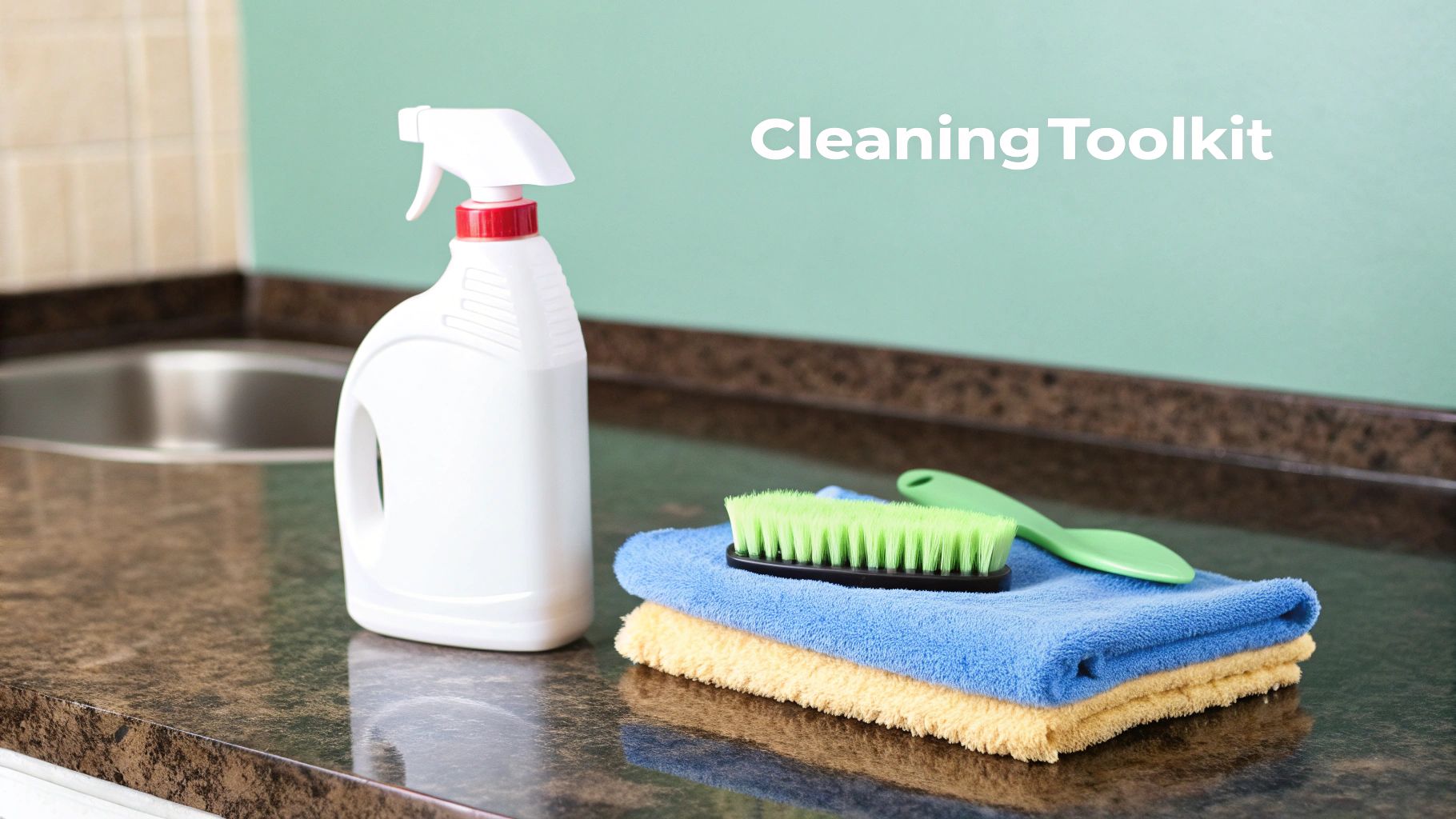
An effective cleaning kit doesn't require a large investment. Start with a quality microfibre cloth. These cloths excel at trapping dirt and preventing streaks. Include a gentle cleaning spray or your preferred homemade solution. For stubborn grime, add a specialised stainless steel cleaner or baking soda paste. For a specialist cleaner there are a few available here.
Seasonal Considerations
New Zealand's distinct seasons can also influence your cleaning routines and product choices. During humid summers, a product preventing water spots might be essential. In winter, a stronger cleaner may be needed to tackle grease buildup from indoor cooking. Adapting your approach to each season will keep your fridge looking its best year-round. Understanding how your environment and lifestyle affect your fridge's cleanliness allows you to make smart choices about products and methods. This leads to a more effective and less frustrating cleaning experience. The key is to find what works for your specific situation to maintain a consistently clean and sparkling fridge.
The Step-By-Step Method That Prevents Streaking
This section outlines a proven process for cleaning your stainless steel fridge, transforming frustrating cleaning sessions into quick, effective routines. We'll cover each step, from preparation to the final polish, using streak-eliminating techniques that maintain a showroom finish. For more tips, check out this article: How to clean stainless steel appliances.
Prepping Your Fridge for a Streak-Free Shine
First, gather your supplies: a microfibre cloth, warm water, mild dish soap, and a stainless steel cleaner (or a homemade baking soda paste). When selecting cleaning products in New Zealand, think about both effectiveness and availability. Rinse the fridge surface with warm water to remove loose dust and debris. This prevents scratches from gritty particles during cleaning.
Applying Your Cleaner Effectively
Spray your cleaner onto the microfiber cloth, not directly on the fridge. This controls the amount of product used and prevents residue buildup. Remember, less is more. Using too much cleaner can worsen streaks and leave a sticky film.
Wiping with the Grain for Optimal Results
This step is key. Wipe the fridge in the direction of the stainless steel grain. Usually, you can determine the grain direction by looking closely for faint lines on the surface. Professional cleaning techniques emphasise directional wiping. Following the grain can reduce cleaning time by 40% and improve the surface appearance. This small detail makes all the difference in achieving a streak-free shine.
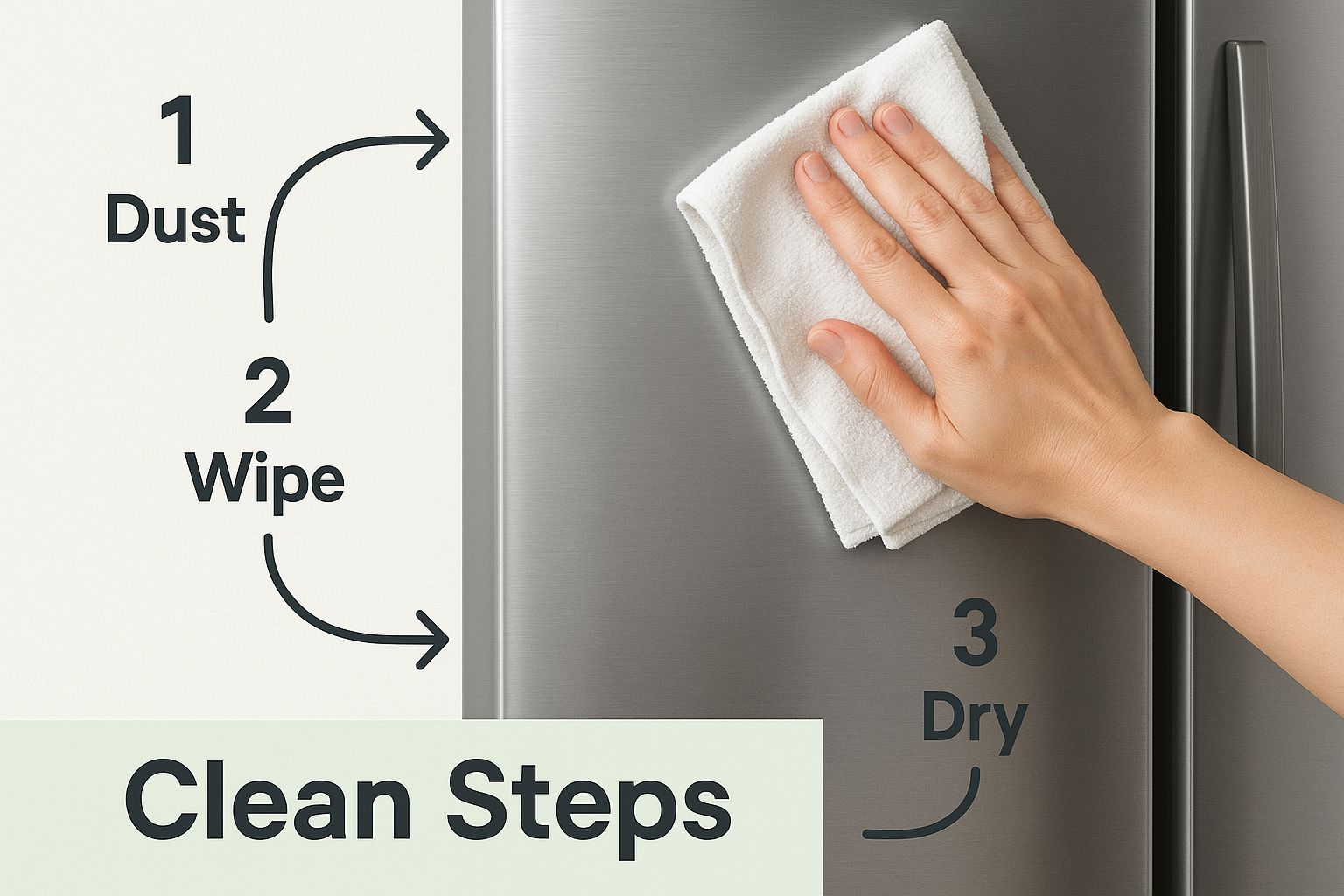
This infographic visualises the cleaning process, emphasising the importance of wiping with the grain. The step-by-step visualisation reinforces best practices for a streak-free finish.
Rinsing and Drying for a Sparkling Finish
Rinse your cloth with clean warm water and wipe the fridge to remove any remaining cleaner. Dry the surface thoroughly with a clean, dry microfiber cloth. This final buffing adds shine and removes water spots.
Troubleshooting Common Streaking Issues
If streaks persist, you might be using too much product or wiping against the grain. Try using less cleaner and ensure you’re wiping with the grain. A diluted vinegar solution can help with stubborn water spots. This natural remedy dissolves mineral deposits without damaging the stainless steel. See also: How to clean stainless steel appliances. Following these steps and addressing potential problems will result in a consistently clean and sparkling fridge.
Conquering Stubborn Stains And Heavy Buildup
Keeping your stainless steel fridge gleaming is a constant battle. While regular wipes downs are good for day-to-day cleaning, sometimes you need to bring out the big guns for those truly stubborn stains. This section tackles those tricky situations where everyday cleaning falls short, from baked-on food splatters to those mysterious marks that just won't budge. We'll explore effective strategies specifically for those busy Kiwi kitchens.
Identifying Stubborn Stains
Not all stains are created equal. Fingerprints and water spots are relatively easy to remove with a quick wipe. But what about that hardened cooking residue from your summer barbie or the sticky spills from Christmas dinner prep? These require a more targeted approach. Identifying the type of stain—grease, dried food, or something else—is the first step to choosing the right cleaning method.
Heavy-Duty Cleaning Solutions
For tough, baked-on grime, a heavy-duty stainless steel cleaner might be necessary. Products like Hillmark Steel Power are gaining popularity in New Zealand for tackling stubborn residue on metal surfaces, including fridges. Studies show approximately 45% of New Zealand homeowners struggle with heavy residue buildup on stainless steel appliances, particularly after heavy use periods like holiday cooking or summer barbecues. This is especially common in family homes where spills and splatters are more frequent.
Professional Cleaning Techniques
Sometimes, elbow grease just isn't enough. Professional cleaners often use specialised techniques and tools to remove stubborn stains without damaging the stainless steel. A common technique involves a paste of baking soda and water. This acts as a mild abrasive, lifting stuck-on food particles without scratching. Another method uses a specialised stainless steel cleaning pad, but it's crucial to ensure it's designed for appliance use to prevent scratches.
Targeted Approaches for Specific Stains
Different stains require different strategies. Greasy residue often responds well to a degreasing dish soap. For sticky spills, try a solution of warm water and white vinegar. Burnt-on food can often be tackled with a baking soda paste. Always test any cleaning solution on a small, inconspicuous area first to avoid damaging the finish. For more stain removal tips, check out this helpful guide: How to master stain removal with a Bissell Spot Cleaner.
Knowing When to Call a Professional
Some stains are simply too stubborn for DIY methods. If you've tried everything and the stain persists, consider calling a professional appliance cleaner. They have the expertise and specialised tools to tackle tough cleaning challenges without damaging your fridge. This can save you time and effort, and may prevent costly repairs in the future.
Protecting Your Fridge From Future Buildup
Preventing stubborn stains is always easier than removing them. Regular cleaning with warm soapy water and a microfibre cloth can prevent most buildup. Wipe up spills immediately to stop them from hardening. Using a stainless steel polish can also create a protective barrier that repels fingerprints and smudges. This proactive approach saves you time and effort in the long run, contributing to a hygienic kitchen environment essential for every Kiwi home.
Creating A Maintenance System That Actually Sticks

Consistent upkeep is far more effective than occasional deep cleans, especially for your stainless steel fridge. This section offers practical tips for maintaining a sparkling fridge all year round, perfect for busy New Zealand lifestyles.
Building Sustainable Cleaning Habits
Small, daily habits can prevent major grime build-up. Wipe down the handles after each use, especially after handling food. Address spills immediately before they have a chance to dry and stick. These quick actions take mere seconds but save you significant cleaning time in the long run.
This proactive approach prevents grime from becoming ingrained, making future cleaning easier. It's all about consistency over intensity.
Quick Touch-Up Techniques for Busy Kiwis
Short on time? Quick touch-ups can make a world of difference. Keep a microfiber cloth nearby and give the fridge a quick wipe whenever you see fingerprints or smudges. This two-minute task prevents marks from building up and keeps your fridge looking its best. Microfibre cloths are particularly effective on stainless steel.
Adapting to NZ's Seasonal Changes
New Zealand's varying climate means you might need to adjust your cleaning routine throughout the year. In humid summers, focus on preventing water spots. During winter, pay extra attention to grease build-up from more indoor cooking. Adapting your cleaning strategy ensures a spotless fridge year-round.
A Weekly Maintenance Schedule That Works
A structured cleaning schedule simplifies fridge maintenance and prevents those dreaded, overwhelming cleaning marathons. A consistent schedule makes it easier to incorporate cleaning into your routine, much like how scheduling tasks in a Google Calendar can streamline your day. The following table provides a sample schedule adaptable to your specific needs.
To help you stay organised, we've created a weekly maintenance schedule. This schedule provides a clear outline of tasks, their frequency, and estimated time requirements.
Weekly Stainless Steel Fridge Maintenance Schedule
Structured maintenance routine with specific tasks, frequency, and estimated time requirements
|
Task |
Frequency |
Time Required |
Products Needed |
Key Tips |
|---|---|---|---|---|
|
Wipe down handles and exterior |
Daily |
1-2 minutes |
Microfibre cloth, warm soapy water |
Focus on high-touch areas |
|
Clean up spills |
Immediately |
<1 minute |
Microfibre cloth, warm soapy water |
Prevents sticky residue |
|
Quick overall wipe-down |
Twice weekly |
5-10 minutes |
Microfibre cloth, stainless steel cleaner |
Wipe with the grain |
|
Deep clean (interior and exterior) |
Monthly |
30-45 minutes |
All-purpose cleaner, stainless steel cleaner, warm soapy water |
Empty shelves for thorough cleaning |
|
Check for and clean spills inside the fridge |
Weekly |
5 minutes |
Multi-purpose cleaner |
Prevents odors and bacterial growth |
This schedule is a starting point. Adjust the frequency and tasks based on your household's needs and how quickly your fridge tends to get dirty.
Protective Measures for Long-Term Care
Preventing damage is just as important as cleaning. Avoid abrasive cleaners and scouring pads, which can scratch the stainless steel. Consider using a stainless steel polish to minimise fingerprints and add a protective layer.
Early Warning Signs and Preventative Maintenance
Keep an eye out for signs of damage, like rust spots or dents. Address these issues quickly to prevent more serious problems and costly repairs. Regularly check the door seals to ensure efficient cooling and prevent food spoilage. This adds another layer of protection to your fridge maintenance routine. By implementing these preventative measures, you can extend the life of your fridge, keeping it looking and functioning perfectly for years to come. This is a smart investment for any Kiwi homeowner.
Avoiding Costly Mistakes That Damage Your Investment
Prevention is key, especially when dealing with expensive kitchen appliances like your stainless steel refrigerator. This section explores common cleaning errors Kiwi homeowners often make, unknowingly causing long-term damage. We'll uncover these hidden hazards, from harsh chemicals that etch surfaces to tools that create microscopic scratches, and offer safer alternatives.
The Dangers of Harsh Chemicals and Abrasive Cleaners
Many everyday household cleaners contain chemicals that can permanently damage your stainless steel fridge's finish. For instance, chlorine bleach can etch the surface, leaving dull, discoloured spots. Abrasive cleaners and scouring pads can create tiny scratches that trap dirt, making future cleaning more challenging. Over time, these seemingly harmless products can significantly impact your fridge's appearance.
The Problem with Improper Cleaning Tools
Using incorrect cleaning tools can be as detrimental as using the wrong products. Steel wool, for example, can leave behind tiny metal particles that rust and stain the stainless steel. Some sponges can also be too abrasive, causing microscopic scratches that dull the finish. Microfibre cloths are a much better option. They gently clean the surface while effectively removing dirt and grime.
Identifying Early Warning Signs of Damage
Spotting the early signs of damage can help you prevent minor issues from becoming major problems. Discolouration, dull patches, and fine scratches all indicate your cleaning methods may be too harsh. If you see any of these signs, switch to gentler products and tools immediately.
Real-World Examples: Lessons Learned the Hard Way
Many New Zealanders have learned these lessons the hard way. One homeowner shared their story of ruining their fridge's finish using an abrasive cleaner meant for bathroom tiles. Another discovered a popular cleaning spray left a sticky residue that attracted more dust and fingerprints. These real-life examples emphasise the importance of choosing the right products and techniques for your stainless steel fridge. Learn more in our article about things to consider when buying a fridge.
Safer Alternatives for Effective Cleaning
Luckily, many safe and effective alternatives exist for harsh chemicals and abrasive tools. A simple solution of warm water and dish soap often suffices for everyday cleaning. For tougher stains, a paste of baking soda and water can work wonders. Always test any cleaning product on a small, hidden area first to ensure it doesn't harm the finish.
The Importance of Routine and Prevention
A regular cleaning routine is the best way to prevent costly damage. Wiping your fridge frequently with a microfibre cloth and a gentle cleaner prevents dirt and grime buildup, which can be difficult to remove. Once you've established a cleaning routine, scheduling it becomes easier. Tools like Google Calendar can be helpful for adding cleaning tasks to your schedule. This proactive approach saves you time, effort, and money over time. It also protects your investment and maintains your appliance's resale value, an important factor for Kiwi homeowners. By avoiding these common cleaning mistakes, you can keep your stainless steel fridge looking its best for years to come.
Ready to upgrade your kitchen with a new fridge? Explore the selection of high-quality appliances at Folders, your one-stop shop for home and commercial essentials.